




Public EV Charging Stations in Tulsa & Nearby Areas
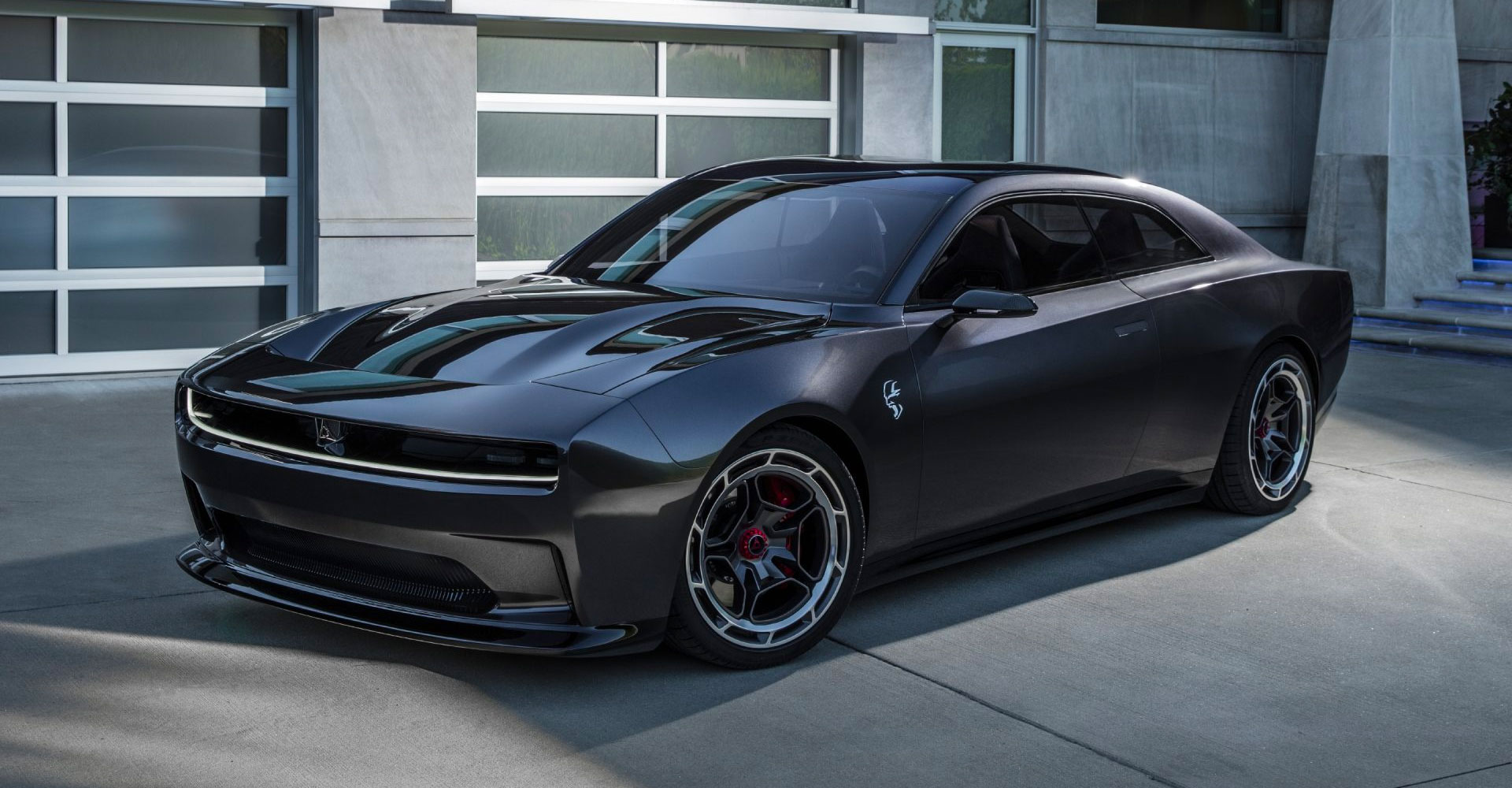
Electric vehicles are no longer a niche choice in Oklahoma. More drivers across Tulsa, Broken Arrow, and the surrounding communities are making the switch, and the region’s charging infrastructure is growing to keep up. Whether you’re a new EV owner figuring out your daily routine or someone considering going electric for the first time, knowing how to find and use public charging stations makes a real difference. This guide covers EV charging locations near you, including charge levels, the best apps, and how Tulsa’s network keeps expanding. If you have questions along the way, contact our team at Chris Nikel CJDR Fiat and we’ll be glad to help.
Understanding EV Charging Levels: What Tulsa Drivers Should Know
Not all charging stations work the same way, and knowing the difference helps you make smarter decisions about when and where to charge. For most Tulsa-area drivers, Level 2 and DC Fast Charging are the two types you’ll encounter at public stations.
Level 2 Charging: The Everyday Standard for Commuters
Level 2 charging runs on a 240-volt connection and uses the J1772 connector, which is standard across most non-Tesla EVs. It typically delivers between 25 and 50 miles of range per hour, making it a natural fit for places where you’re already parked for a few hours: shopping centers, workplaces, and parking garages are the most common examples.
Most public charging stations in Tulsa are Level 2. For drivers with predictable daily commutes, it’s often all you’ll ever need. Charge up while you shop or work, and leave with a full battery without a second thought.
DC Fast Charging: Quick Top-Ups for Longer Trips
DC Fast Charging can bring most EVs from low battery to around 80% in approximately 30 minutes, making it the right tool for road trips and quick stops when time is tight. These stations use connectors including CCS, CHAdeMO, and NACS depending on the network and vehicle. They’re less common than Level 2 stations but are increasingly available across the Tulsa metro and along Oklahoma’s main travel corridors.
Most EV manufacturers recommend Level 2 for routine daily charging, since frequent DC Fast Charging can affect long-term battery health on some vehicles.
Where to Find Public Charging Stations Throughout Tulsa
Tulsa’s public charging network currently includes 458 stations, among them 168 DC fast chargers and 25 free charging locations. Stations are spread across neighborhoods, retail corridors, downtown garages, office districts, hotels, apartment-adjacent lots, and the airport.
Downtown and Central Tulsa Highlights
The Tulsa Central Library Garage is one of the most accessible downtown options, with eight chargers across two parking levels. Charging there is free for the first two hours, or three hours with Library or Starbucks ticket validation. Bank of America sites downtown also provide Level 2 options for those spending time in the area.
Tulsa International Airport added EV charging in April 2024. The parking garage now supports 16 dual Level 2 charging stations (powering 32 vehicles simultaneously) in the first phase, with additional chargers planned in a later phase, making it convenient for travelers who want to arrive home to a charged vehicle.
Francis Energy’s Role in the Tulsa Network
Francis Energy is one of the most significant players in Oklahoma’s EV infrastructure. Their network includes 225 fast charging stations across 109 sites statewide, spaced no more than fifty miles apart. That spacing is what makes corridor travel genuinely practical: you can head from Tulsa toward Oklahoma City or western Oklahoma knowing a fast charger is always within reach. Francis Energy’s Tulsa installations helped the city attract companies like Amazon for next-generation EV delivery fleet testing, which says a lot about how far the local network has come.
EV Charging in Broken Arrow, Owasso, Jenks, and Sand Springs
Tulsa’s suburbs have kept pace with the city’s infrastructure growth, so residents no longer need to drive into central Tulsa to access a public charging station.
Broken Arrow has Level 2 stations along retail shopping corridors and near workplace areas. Owasso serves north-metro commuters well, with stations near retail centers that make it easy to top up during everyday errands. Jenks has added charging near shopping, dining, and river-area destinations. Sand Springs provides corridor access toward western Oklahoma routes, useful for drivers heading beyond the metro.
For anyone in these communities weighing an EV purchase, the improving local infrastructure removes one of the most common hesitations. The days of carefully rationing range just to run daily errands are largely behind us in the Tulsa area.
Charging Along Major Travel Corridors and Oklahoma Highways
Oklahoma’s major travel corridors are increasingly equipped with fast charging stations, particularly along I-44, I-40, and the Turner Turnpike connecting Tulsa to Oklahoma City. Between Francis Energy’s fifty-mile station spacing and the broader growth of the statewide network, highway travel in an EV has become much easier to plan.
A practical approach: before any longer trip, check your preferred charging app and identify fast charging stops along your route. Build in a 20-to-30-minute stop roughly every 150 to 200 miles, ideally at a DC Fast Charging station. Pairing those stops with a meal or coffee makes the extra time feel natural. Most modern EV navigation systems will flag charging needs automatically, but confirming your plan the night before a trip adds confidence.
We’re happy to talk through how specific models handle long-distance driving. Browse our current EV inventory or reach out with questions about range and charging before you buy.
Best Apps and Payment Methods for Finding Chargers Near You
Good tools are what make using the public charging network feel manageable. The right apps let you check whether a station is working and confirm your payment method before you ever leave home.
Top Charging Apps for Tulsa-Area EV Drivers
Several tools are worth keeping on your phone:
- PlugShare combines network data with real user check-ins so you can see whether a specific station is actually accessible and working.
- ChargeFinder offers a Tulsa-specific station directory that is useful for a quick area overview.
- ChargeHub provides detailed station information including connector type, hours, and access notes.
- The AFDC Station Locator from the federal Alternative Fuels Data Center is a reliable backup tool for confirming station data.
- The Francis Energy app at francisenergy.com is the go-to for their Oklahoma network specifically.
Before relying on a station for travel, verify the connector type matches your vehicle, check real-time availability, and confirm the payment method. Showing up to a fast charger only to find it requires an app you haven’t set up is an avoidable inconvenience.
Payment Options and Free Charging Spots
Payment varies by network. Francis Energy accepts credit cards, its mobile app, and RFID cards, with a payment assistance line at 1 (800) 489-1588. Other networks use similar models: pay-per-use via credit card or app, or membership plans for frequent users.
Free public charging is available at select spots around Tulsa, and PlugShare is the easiest way to locate them. If you charge regularly at the same locations, a network membership can pay for itself. For occasional public charging users who primarily charge at home, pay-per-use is typically the more flexible choice.
A practical habit: keep a backup payment option ready. If one network’s app fails to activate a session, a credit card tap or a second network membership means you’re never stranded.
How to Plan Your Daily Commute and EV Road Trips Around Charging Stops
Daily commuting in an EV is, for most people, simpler than they expect. Charging overnight at home means starting every day with a full battery, which eliminates the need to stop at a public charging station most of the time. Public charging matters most for commuters on longer-than-usual days, unexpected detours, or stretches when home charging isn’t available. For those situations, knowing your two or three most reliable nearby Level 2 locations is the main preparation needed.
Road trips follow the same logic at a larger scale. Use Level 2 where you’re already parking, start each trip with enough charge to comfortably reach the first fast charger, and build your stops around food, rest, or shopping so the time passes usefully. Francis Energy’s fifty-mile corridor spacing makes this planning reliable across Oklahoma. Once the habit of checking your charging plan the night before a trip clicks, electric road trips become genuinely straightforward.
Oklahoma’s Expanding EV Infrastructure and What It Means for Tulsa Drivers
Oklahoma has made real commitments to EV infrastructure through federal funding, state programs, and private network investment. For Tulsa drivers, that means more stations are coming both inside the city and along state highway corridors. The pace is accelerating as EV adoption grows, and the gap between urban and suburban charging availability continues to close.
What This Means for Your Next Vehicle Decision
Whether you own a home with a garage or rent without dedicated charging, the public network is filling the gaps that once made EV ownership complicated. Tulsa has built out a solid mix of downtown, airport, hotel, and corridor charging, and Francis Energy’s statewide footprint gives the city a real advantage for regional EV travel.
Talk to Our Team
At Chris Nikel CJDR Fiat, serving Broken Arrow, Tulsa, and surrounding Oklahoma communities since 1973, we’re seeing more customers ask thoughtful questions about electric and plug-in hybrid models available on our lot. Our team is glad to walk you through what ownership actually looks like day to day, including how charging fits into your lifestyle. Contact our team with any EV or charging questions, and we’ll help you make a confident, informed decision.
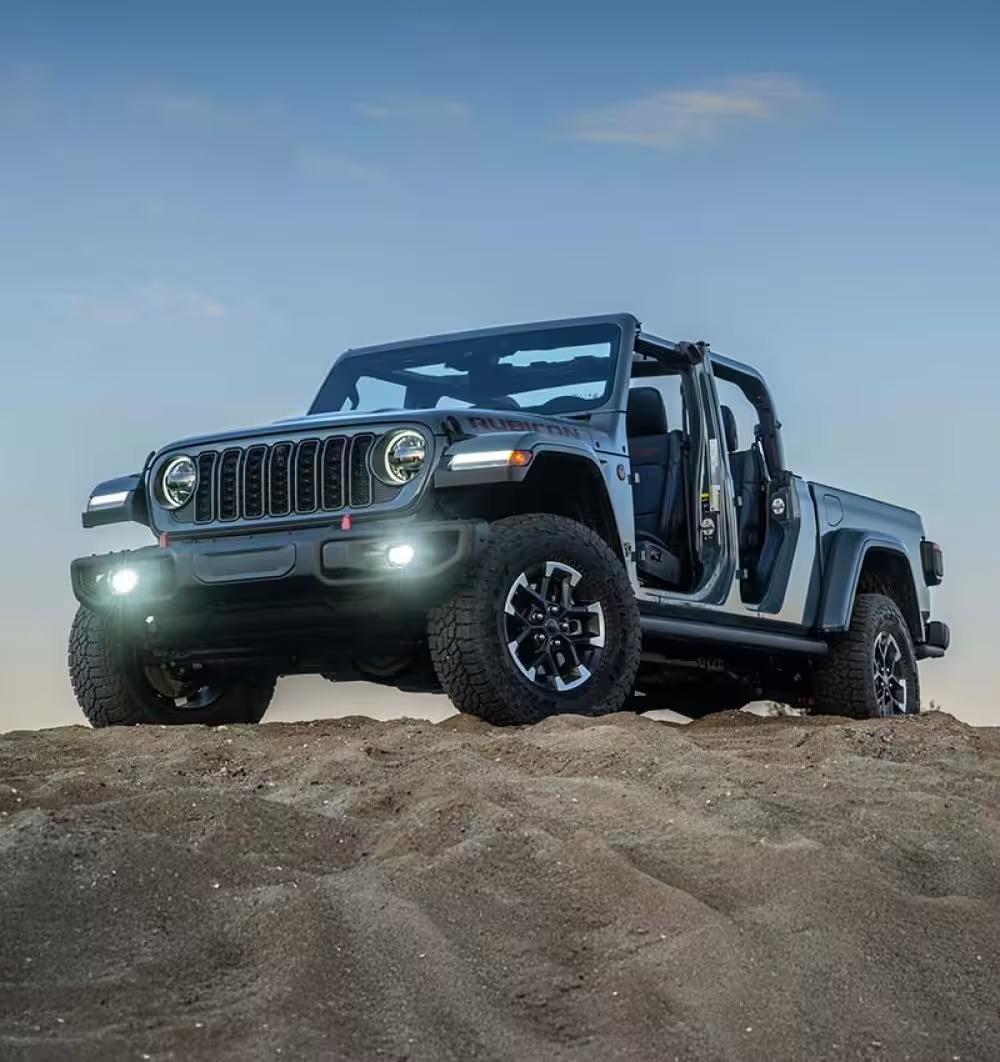
If you’ve been searching for the best Jeep models for off-roading near Tulsa, you already know that not just any vehicle belongs on Oklahoma’s trails. The right Jeep turns a Saturday drive into something worth planning around, whether you’re pushing through clay mud after a spring rain or picking a line through rocky creek crossings and rutted two-tracks in the river bottoms. At Chris Nikel CJDR Fiat in Broken Arrow, we work with Tulsa-area off-road drivers every day, and this guide reflects what we’ve learned about matching the right Jeep to local terrain. Reach out to our team anytime you’re ready to talk models, trims, or trail setups.
Why Oklahoma’s Terrain Makes Tulsa a Jeep Off-Roader’s Paradise
Oklahoma doesn’t get nearly enough credit as an off-road destination. Around Tulsa, the terrain shifts dramatically depending on where you point your wheels. Rocky hills and clay-heavy flats sit alongside dense hardwood forests, and after a good rain, those trails become a completely different animal. That variety is exactly what separates real 4×4 capability from the kind that just looks good in a parking lot.
Technical rock gardens test suspension geometry and ground clearance. Muddy creek crossings demand traction management and departure angles that crossovers simply can’t deliver. Seasonal changes add another layer, since the same trail can feel completely different between January and June. For enthusiasts who want year-round access to diverse terrain, Tulsa’s geography delivers.
Jeep Wrangler: The Trail-Ready Icon Built for Oklahoma’s Toughest Roads
Few vehicles carry as much off-road credibility as the Jeep Wrangler. High ground clearance, solid axles front and rear, and body-on-frame construction give it the structural integrity to absorb punishment that would send lesser vehicles to the shop. The Trail Rated badge reflects testing across traction, water fording, maneuverability, articulation, and ground clearance, which are the categories that matter most on northeast Oklahoma trails.
Rubicon Trim: Rock Crawling and Technical Trail Dominance
If you want the most capable Wrangler for serious technical terrain, the Rubicon is the answer. Jeep engineered it with a Rock-Trac 4:1 transfer case for precise crawl-ratio control over boulders and steep descents. Standard front and rear locking differentials, a front sway bar disconnect for increased wheel articulation, and heavy-duty axles make a real difference when one wheel lifts off the ground and you need power to keep moving forward. For Oklahoma trails with significant elevation change and loose rock surfaces, the Rubicon is built specifically for that kind of work.
Wrangler 4xe: Hybrid Power That Extends Every Adventure
The Wrangler 4xe brings plug-in hybrid technology into the off-road segment without sacrificing what makes the Wrangler worth owning. It combines a turbocharged engine with electric motors for instant torque delivery that improves low-speed trail control. When you’re picking through technical terrain at a crawl, that immediate electric response gives you more precise throttle management. The 4xe also runs quietly on electric power alone, so you can hear the terrain, communicate with a spotter, and actually take in your surroundings. For drivers splitting time between weekday commuting and weekend trails, it’s a genuinely well-rounded setup.
Jeep Gladiator: Off-Road Muscle Paired with Truck-Grade Utility
The Jeep Gladiator solves a real problem for off-road enthusiasts with practical needs. Built on an extended Wrangler platform with a dedicated pickup bed, it brings Trail Rated 4×4 capability to a body style that actually hauls cargo. High ground clearance, heavy-duty axles, and max gas towing up to 7,700 lbs when properly equipped mean you can load camping gear, carry recovery tools, or tow a trailer to the trailhead, then get off pavement and perform like a proper trail machine once you arrive.
We see strong demand for the Gladiator among Tulsa buyers who want one vehicle for both summer overlanding and everyday hauling. If you want to see what’s available, browse our Jeep store to explore current inventory.
Rubicon vs. Mojave: Two Off-Road Personalities, One Great Platform
The Gladiator offers two dedicated off-road trims with distinct personalities. The Rubicon is built for slow, technical rock work: locking front and rear differentials, a front sway bar disconnect, and a Rock-Trac transfer case tuned for crawl-ratio precision. If your ideal weekend involves threading a narrow canyon trail or picking a line through a boulder field, the Rubicon fits that vision well.
The Mojave trim takes the same platform in a completely different direction. Reinforced components and suspension tuned for high-speed desert running and fast open dirt, with increased front suspension travel and a specially tuned rear track bar, make it the right choice when you’re charging across hardpack rather than crawling through ledges. Both trims are excellent; they simply reward different instincts behind the wheel.
Jeep Grand Cherokee: Refined Comfort Meets Serious Off-Road Capability
Not every off-road enthusiast wants to trade comfort for capability, and the 2026 Grand Cherokee makes a strong case that you don’t have to choose. Powered by the 2.0L Hurricane 4 Turbo engine, it delivers responsive output for both trail use and daily driving. Available Quadra-Trac I and Quadra-Drive II traction systems provide full-time 4×4 management with varying levels of rear axle control, and Selec-Terrain drive modes let you dial in throttle, transmission, and traction response for mud, sand, snow, or rock. High ground clearance means it handles rutted two-tracks and creek crossings that would stop a standard SUV.
The Grand Cherokee’s refined cabin makes it the right pick for families and commuters who want real trail ability without giving up a comfortable ride during the week. It’s also the model we recommend most often for wet and cold conditions, where the traction management systems and all-weather composure outperform more specialized rigs.
Top Off-Road Destinations Near Tulsa Worth Exploring
Tulsa’s position in northeastern Oklahoma puts it within easy reach of two standout ORV parks, both well within an hour’s drive.
Appalachia Bay Recreation Area sits roughly 20 miles west of Tulsa on Keystone Lake. The 400-acre ORV park offers sandy and wooded terrain across a range of difficulty levels, and it’s a solid spot for both new riders and experienced ones. It’s a particularly good fit if you’re learning a new rig or bringing along riders with mixed experience levels.
White Water Off-Road Vehicle Park sits just below Keystone Dam near Sand Springs. Wooded trails and mud holes make it a go-to for drivers who want to test traction and recovery gear in realistic conditions. After a wet spring, the mud holes here are the real deal, the kind of terrain where a Rubicon’s locking differentials prove their worth immediately.
Seasonal Trail Conditions in Oklahoma: Planning Your Rides Year-Round
Oklahoma’s seasons shape the off-road experience significantly. Spring mud and standing water demand maximum traction. The Wrangler Rubicon and Gladiator Rubicon are the right tools here; locking differentials and aggressive tires keep you moving through saturated clay and flooded creek crossings. Summer is prime overlanding season, and the Gladiator’s cargo capacity and towing make it the natural choice for multi-day trips.
Wet and cold fall and winter conditions favor the Grand Cherokee, where Selec-Terrain traction management and all-weather composure keep driving stress low. When conditions dry out and rocky ledges are exposed, the Wrangler Rubicon moves back to the top of the list. Dry rock is where that 4:1 Rock-Trac transfer case and sway bar disconnect make the biggest difference.
How to Choose the Right Jeep for Your Off-Road Style and Experience Level
Which Jeep is best comes down to how you actually use it. The table below maps Tulsa-area terrain types to the models we’ve covered:
| Model | Best For | Key Off-Road Strengths | Best Fit for Tulsa Buyers |
| Wrangler Rubicon | Technical rock, steep ledges, slow creek crossings | Rock-Trac 4:1, locking diffs, sway bar disconnect | Experienced drivers on demanding trails |
| Wrangler 4xe | Mixed commute and trail use | Instant electric torque, PHEV efficiency, full off-road capability | Drivers splitting weekday and weekend use |
| Gladiator Rubicon | Technical terrain plus cargo/towing needs | Locking diffs, Trail Rated, 7,700-lb tow capacity | Overlanders and haulers who don’t compromise off-road |
| Gladiator Mojave | High-speed dirt, hardpack, open desert runs | Reinforced suspension, FOX shocks, fast-terrain tuning | Drivers who prefer speed over slow crawling |
| Grand Cherokee | Family use, daily driving, moderate trails | Hurricane 4 Turbo, Quadra-Trac I, Quadra-Drive II, Selec-Terrain | Commuters who want real trail capability |
Newer off-roaders often do best starting with a Sport or Sport S Wrangler, where basic trail technique is easier to learn before adding the complexity of specialized systems. Experienced drivers will find the Rubicon trims genuinely worth the premium; the hardware upgrades make a real difference on terrain that would otherwise require expensive aftermarket modifications. Keep budget realistic too, because the best off-road Jeep is the one that leaves room for tires, recovery gear, and the accessories that complete your setup.
Find Your Trail-Ready Jeep at Chris Nikel CJDR Fiat Near Tulsa
For the best Jeep models for off-roading near Tulsa, we’re ready to help you find exactly the right fit. Chris Nikel CJDR Fiat is located at 2920 N Aspen Ave in Broken Arrow, and we’ve been serving Tulsa-area drivers since 1973. Our team knows these vehicles and these trails, and our no-pressure process gives you the time to ask real questions and compare trims before committing.
Browse our Jeep store to explore current inventory, or contact our team to schedule a visit and talk through which model fits your trail style and your budget. We’re here when you’re ready.
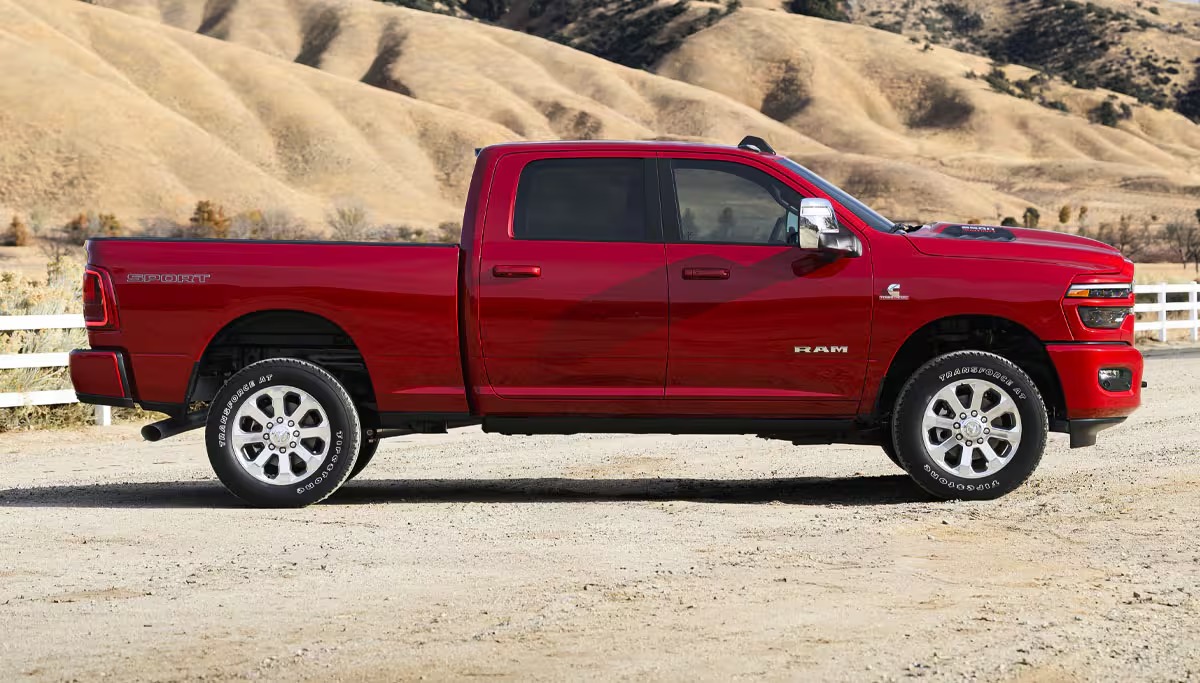
Buying a Ram truck or Jeep SUV is a serious purchase, and understanding your warranty matters just as much as picking the right trim. Most owners don’t think about it until something goes wrong, and by then, confusion about coverage can turn a minor inconvenience into an expensive surprise. Whether you’re picking up a new Jeep Wrangler or a Ram 1500 from us at Chris Nikel CJDR Fiat in Broken Arrow, knowing exactly what’s covered puts you in a much stronger position as an owner. Schedule warranty service with our factory-certified team anytime you have questions or need repairs handled right.
Understanding Ram and Jeep Warranty Coverage in Tulsa
Ram and Jeep warranties are structured agreements that specify which components are covered, for how long, and under what conditions. Coverage is built from several distinct warranty types, each addressing a different part of your vehicle’s lifespan and systems. For Tulsa-area drivers, understanding these terms helps you make smarter decisions about maintenance, modifications, and claims.
The Five Types of Factory Warranty Coverage Explained
Factory warranty coverage for Ram and Jeep vehicles isn’t a single blanket policy. It’s a layered package of five distinct coverage types, each with its own terms.
Basic Limited Warranty: 3 Years / 36,000 Miles
The Basic Limited Warranty covers most components on your vehicle for three years or 36,000 miles, whichever comes first. This includes most electrical systems, air conditioning, infotainment, interior components, suspension parts, braking systems, and a wide range of other mechanical parts. It protects against defects in materials or workmanship during the early phase of ownership when you’re still getting familiar with the vehicle. Tires are excluded here. They may carry their own separate manufacturer’s warranty.
Powertrain Limited Warranty: Ram 10 Years / 100,000 Miles | Jeep 5 Years / 60,000 Miles
This is where Ram and Jeep diverge significantly. For 2026 Ram vehicles, the Powertrain Limited Warranty runs 10 years or 100,000 miles, one of the strongest powertrain commitments in the segment. Ram builds trucks for work and towing, and that long-term drivetrain coverage reflects it. For Jeep gas models, the Powertrain Limited Warranty covers 5 years or 60,000 miles.
Both warranties cover engine, transmission, drive axles, driveshaft, transfer case, and related internal powertrain components. Powertrain repairs rank among the most expensive a vehicle owner can face, so this protection carries real dollar value well past the bumper-to-bumper window.
Corrosion, Emissions, and Safety Restraint Warranties
The corrosion warranty protects against rust perforation of body panels for five years with no mileage cap. Worth noting: surface rust, meaning discoloration or oxidation on the surface, is not covered. Rust-through, where corrosion perforates the metal entirely, is what this warranty addresses. That’s an important distinction, especially for Oklahoma owners dealing with seasonal moisture and road conditions.
Federal emissions coverage is a separate protection required by law, ensuring your vehicle’s emissions control systems meet environmental standards. Coverage duration varies by component, and specifics can differ by model year and emissions certification. Contact our team to confirm your emissions coverage for your specific vehicle rather than relying on general figures.
Safety restraint warranties cover airbags, seatbelts, and related systems – the components you rely on most in an emergency.
Roadside Assistance: 5 Years / 60,000 Miles
Roadside assistance runs 5 years or 60,000 miles alongside the powertrain coverage window. If you’re stranded in Tulsa, Broken Arrow, or anywhere on the road, you can call for towing, battery jumps, flat tire service, lockout assistance, and fuel delivery. Keep your membership number and VIN accessible in your phone or glove box before you ever need them.
What Your Ram or Jeep Warranty Actually Covers
The factory warranty covers defects in materials and workmanship — any component that fails because of how it was made or assembled qualifies for protection. For Ram truck owners, this extends to truck-specific systems where failures stem from manufacturing issues rather than use-related wear. For Jeep owners, factory-installed trail-rated components are covered under the same terms.
When you bring your vehicle to us at Chris Nikel CJDR Fiat, our certified technicians can pull up your coverage details and confirm exactly what’s still active on your specific vehicle.
Common Exclusions: What Ram and Jeep Warranties Do Not Cover
Understanding exclusions is just as important as knowing what’s covered. Many warranty disputes come from owners assuming coverage is broader than it actually is.
Wear Items, Modifications, and Neglected Maintenance
Routine items are not covered under any factory warranty:
- Brake pads and rotors
- Tires
- Filters and fluids
- Wiper blades
These wear down through normal use and are the owner’s responsibility.
Aftermarket modifications are a common issue for Tulsa owners. Installing a lift kit or tuning the engine software with non-Mopar components can result in denied claims on affected systems. This doesn’t void your entire warranty, but any failure caused or contributed to by the modification won’t be covered. Using genuine Mopar parts, which we stock extensively, protects your warranty while still allowing customization.
Neglected maintenance is another frequent reason for denied claims. Skipping oil changes, even at a non-certified shop, gives the manufacturer grounds to reject a claim if the repair is connected to that neglect. Keep records of every service visit, and follow the manufacturer’s maintenance schedule using approved fluids.
Accident Damage, Misuse, and Off-Road Conditions
Warranty coverage does not extend to:
- Accident and collision damage
- Acts of nature
- Towing beyond rated capacity
- Using incorrect fuel types
- Off-road impact damage, water intrusion from submersion beyond rated depth, or trail-related stress
Jeep owners in particular should note that while Jeeps are engineered for trail driving, the warranty doesn’t automatically cover damage sustained off-road. Understanding this helps you make smart choices about how far to push your vehicle.
How to Keep Your Warranty Valid
Follow the manufacturer’s maintenance schedule using approved fluids and genuine parts. Keep records of every service visit. If you’re ever unsure whether a repair might be covered, contact our team before authorizing work at an independent facility. Repairs performed outside an authorized facility using non-OEM parts can complicate future claims.
Warranty Coverage for Used and CPO Ram and Jeep Vehicles in Tulsa
Buying used doesn’t necessarily mean buying without warranty protection. If the vehicle is still within its original warranty window, that coverage may still be active and transferable on at least the powertrain portion. Verifying remaining coverage before purchase is straightforward, our team can run a check for you.
Ram CPO Coverage
Ram Certified Pre-Owned vehicles include a 3-Month/3,000-Mile Maximum Care Limited Warranty covering 5,000 components, plus a 7-Year/100,000-Mile Powertrain Limited Warranty from the original in-service date. Covered repairs carry a $100 deductible. Roadside assistance is included during the CPO coverage period.
Jeep CPO Coverage
Jeep CPO vehicles include a 7-Year/100,000-Mile Powertrain Limited Warranty from the original in-service date, plus a short-term extended care warranty. Jeep’s CPO program offers multiple tiers with differing terms, and the short-term warranty start point may vary depending on the program and vehicle. Powertrain coverage is transferable.
The key distinction for used vehicle buyers: warranty coverage that transfers from the original owner, CPO coverage, and a standard used vehicle purchase are three different things with meaningfully different protections. We can walk you through exactly what applies to any vehicle on our lot.
Extended Protection and Filing a Warranty Claim
FlexCare Vehicle Protection
Once your factory coverage expires, Mopar’s FlexCare Vehicle Protection plans offer a practical way to extend coverage on key systems. FlexCare plans begin on the original warranty start date and offer coverage levels that go beyond powertrain components, bridging the gap between what the warranty covers and what you’d otherwise pay out of pocket. The right plan depends on how long you plan to keep the vehicle and which systems matter most to you.
Filing a Warranty Claim
The process is straightforward:
- Bring your vehicle to our service center and describe the symptom
- Provide maintenance records if requested
- Allow our technicians to diagnose the issue and confirm a covered defect
- Approve any non-covered repairs before work begins
We handle the claim submission on your behalf. Keeping maintenance records organized and having your VIN ready speeds the process. Coverage varies by model year and emissions certification, so verifying your specific warranty status with us directly is always the right first step.
Warranty Service for Tulsa Ram and Jeep Owners at Chris Nikel CJDR Fiat
We’ve been serving Tulsa and the surrounding area since 1973, and warranty service has always been a core part of what we offer. Located at 2920 N Aspen Ave in Broken Arrow, our service team is made up of factory-certified technicians who know Ram and Jeep vehicles thoroughly. Every warranty repair is performed using genuine Mopar parts from one of Oklahoma’s best-stocked parts departments, protecting your remaining coverage and ensuring every repair meets factory specifications.
Whether you need routine maintenance to keep your warranty valid, a covered repair on a Ram powertrain, or answers about your Jeep CPO coverage terms, schedule warranty service with us or contact our team before your next service visit. We’re here to make the ownership experience more manageable for Tulsa-area Ram and Jeep owners.

Photo by syd.trgt: https://www.pexels.com/photo/elegant-coffee-latte-with-coffee-beans-on-newspaper-29304794/
There’s something genuinely satisfying about pairing a great cup of coffee with an open road and a city worth exploring. Tulsa delivers both. Whether you’re a longtime local who knows every shortcut through Midtown or someone just discovering what this Oklahoma city has to offer, mapping out a weekend coffee drive here is one of the best ways to spend a morning. The best coffee places in Tulsa aren’t just stops on a map. They say something real about the neighborhoods they sit in.
Tulsa’s Coffee Scene and the Roads That Connect It All
Tulsa’s coffee shops have evolved into something genuinely impressive. Local roasters and independent cafes have taken root across the city, each with a distinct personality shaped by its neighborhood. What makes exploring them especially enjoyable is that the drive between stops is part of the experience. Midtown streets are tree-lined and easy to cruise; the Brady Arts District has its own creative energy; East Tulsa feels looser, more residential, more itself.
Good cups aren’t concentrated in one ZIP code. They’re spread across neighborhoods that each feel like their own small community, connected by roads that reward a curious driver. Starting downtown and working your way outward covers a lot of ground and a lot of great coffee.
Best Coffee Places in Tulsa, OK: A Neighborhood-by-Neighborhood Guide
Tulsa’s geography works in your favor here. The city’s best coffee spots tend to cluster by neighborhood, which makes it easy to plan a route that feels intentional rather than scattered.
Downtown and the Brady Arts District
The energy in Tulsa’s downtown core and Brady Arts District is hard to replicate. Street murals and live music venues sit alongside independent businesses, giving the area a creative pulse that local coffee shops absorb naturally. The cafes here blend quality brewing with artistic atmosphere, making them ideal for lingering over a pour-over while watching the neighborhood come to life.
DoubleShot Coffee
DoubleShot Coffee has earned a loyal following for its careful approach to every cup it serves. The shop leans into direct trade sourcing, which means the beans come with both a story and a standard. Coffee aficionados appreciate the craftsmanship, but casual visitors feel equally welcome. Best visited early in the day, it’s an ideal first stop before working your way through the Arts District.
Topeca Coffee Roasters
Topeca Coffee Roasters is one of those places that makes you think more carefully about where your coffee comes from. Beans are grown on the family’s farms in El Salvador and roasted right here in Tulsa, a true seed-to-cup operation. The Philcade location adds historic character, while the Hyatt Regency location suits downtown errands. Staff knowledge runs deep, and conversations about roast profiles are genuinely welcomed.
Black Wall Street Liquid Lounge
Black Wall Street Liquid Lounge brings something distinct to the downtown coffee scene. Rooted in the history of Tulsa’s Greenwood District, the lounge weaves local culture and community identity into the menu and the whole feel of the place. Creative beverages and a lively interior make this a stop worth building your route around. It pairs well with broader Greenwood or downtown sightseeing.
Cherry Street and Midtown
If downtown is where Tulsa’s creative energy concentrates, Cherry Street and Midtown is where it relaxes. These neighborhoods have a lived-in charm that feels welcoming at any time of day. The coffee shops here match that energy, offering cozy spaces and menus that pair well with a slow Saturday morning. Parking is generally easy, and the streets are pleasant to walk between stops.
The Coffee House on Cherry Street
The Coffee House on Cherry Street has been a community staple for good reason. The menu is extensive without being overwhelming, offering something for traditional coffee drinkers and those who prefer tea or non-coffee alternatives. What keeps people coming back is the warmth of the place. Community events and a genuine investment in the neighborhood make this one of the most well-rounded coffee shops in the city. It works equally well for a quick morning run or a leisurely sit-down before exploring nearby shops.
Shades of Brown
Shades of Brown earns its name on both counts. Rotating local artwork means every visit looks a little different, while the commitment to artisanal coffee stays consistent. This is a spot for longer visits, meetups, and unhurried mornings rather than fast pickups. Tulsa coffee lovers often bring out-of-town guests here to show off the creative side of the city.
Cura Cafe
Cura Cafe is a non-profit operating out of Tulsa’s Boxyard, the city’s creative container district. Every cup served here supports humanitarian causes worldwide, so your morning coffee carries a bit of purpose along with it. Locally crafted goods and a welcoming atmosphere round out the experience. For visitors who want their coffee stop to feel meaningful, Cura Cafe sticks with you.
East Tulsa and Beyond
East Tulsa tends to fly under the radar for coffee tourists, but that’s part of its appeal. The coffee shops here reflect a diverse, close-knit community that values quality without pretension. The vibe is relaxed, the welcome is genuine, and the coffee holds its own against anything downtown.
Collab Coffee
Collab Coffee actively partners with local businesses and artists. It’s a community space that also happens to serve excellent coffee. The clean, modern environment works well for remote work, studying, or a low-key meetup. It’s a smart addition to any route heading east, especially if you want to avoid downtown congestion on busier weekend mornings.
Luchador Coffee
Luchador Coffee brings bold personality to every aspect of the experience. Built around an authentic Mexican coffee shop concept with lucha libre cultural elements, the shop offers homemade specialties and traditional Mexican-inspired drinks alongside fresh-baked goods. It’s one of those spots locals love to recommend, and one that reflects just how wide-ranging Tulsa’s coffee scene has become.
Tulsa Coffee Spots Worth the Extra Miles
Not every stop needs to be the closest one. Each neighborhood cluster suits a different kind of outing, and knowing which fits your mood helps you get more from the drive.
Downtown and the Brady Arts District reward an early start. DoubleShot Coffee, Topeca Coffee Roasters, and Black Wall Street Liquid Lounge sit within easy reach of each other, and the area’s walkability makes it ideal for pairing coffee with a stroll through galleries or Greenwood. Plan to arrive before midmorning when parking is easy and the neighborhood is just waking up.
Cherry Street and Midtown suit a slower pace. The Coffee House on Cherry Street, Shades of Brown, and Cura Cafe each offer reasons to stay longer than you planned, whether that’s a rotating art show, a menu worth working through, or a conversation about the causes your coffee supports. This cluster pairs naturally with Midtown shopping or a weekend brunch.
East Tulsa is the right call when you want something off the familiar path. Collab Coffee and Luchador Coffee both reflect a part of the city that doesn’t always make the top-ten lists, and both deliver genuinely memorable experiences. The drive out is part of the appeal.
Local Tips for Getting the Most Out of Your Tulsa Coffee Run
Timing matters more than most people realize. Visiting mid-morning on weekdays or early Saturday before the brunch crowd arrives gives you a more relaxed experience and better access to staff recommendations. Baristas at most Tulsa coffee shops genuinely enjoy talking about their beans and brewing methods, so don’t hesitate to ask.
Building your route around neighborhoods rather than individual shops tends to work better than hopping across town. Cherry Street to Downtown is a natural pairing. East Tulsa to Midtown makes for a longer but rewarding loop. Pair your drinks with whatever local pastry or snack the cafe recommends, since many of Tulsa’s top-rated spots also do excellent food.
The right vehicle makes the whole experience smoother. Good seating helps on longer drives, and if you’re bringing friends, cargo room matters more than you’d think. If you’re overdue for an upgrade, check out our used inventory at Chris Nikel CJDR Fiat and find something ready for wherever the weekend takes you.
Plan Your Weekend Coffee Drive Through Tulsa
A good coffee drive deserves a good vehicle and a good route. A logical Tulsa coffee loop might start at DoubleShot Coffee or Topeca downtown, move through Black Wall Street Liquid Lounge before heading south toward Cherry Street, and finish with a stop or two in East Tulsa. That covers a healthy cross-section of the best coffee places in Tulsa without unnecessary backtracking.
Allow yourself at least a full weekend morning, maybe two, because rushing through a Tulsa coffee route defeats the purpose. The drive itself is part of the experience, and Tulsa’s roads are worth slowing down for.
Explore Tulsa One Cup and One Drive at a Time
Tulsa’s coffee shops reward patience and curiosity. Local roasters, neighborhood non-profits, art-forward cafes, and community-centered spaces all point to a city that takes genuine pride in what it builds. Exploring that on a weekend drive, with no particular deadline, is one of the better ways to spend your time here.
At Chris Nikel CJDR Fiat, we’ve been part of the Tulsa and Broken Arrow community long enough to know what makes this area worth exploring. When you’re ready to plan your next coffee run or find the right vehicle for the road ahead, reach out to our team and we’ll point you in the right direction. Good coffee is better with a great ride, and both are well within reach.
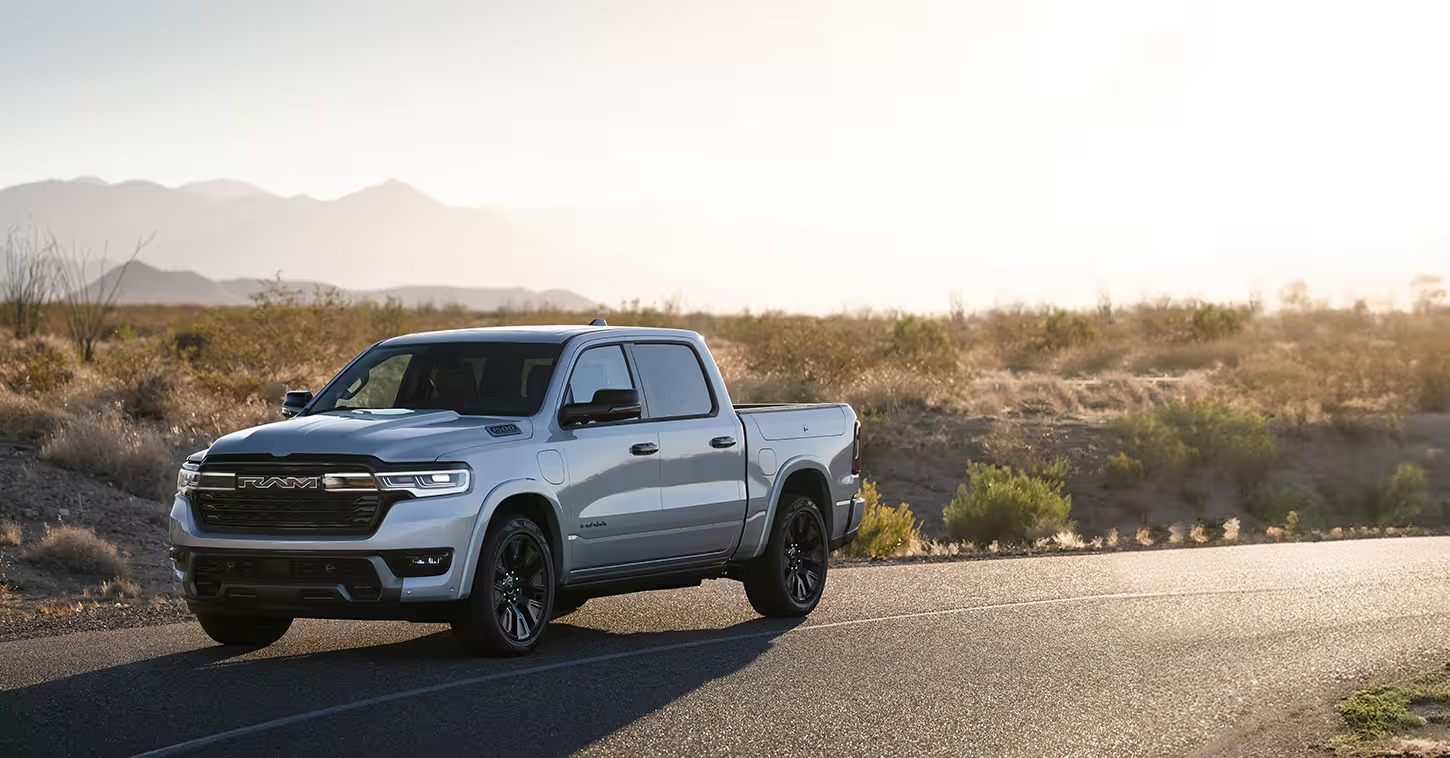
Shopping for a vehicle always involves some risk, especially when you’re looking at used cars. You want something reliable at a reasonable price, without inheriting someone else’s mechanical headaches. Used cars offer affordability, but CPO vehicles offer affordability plus documented protection. If you’re searching for a certified pre-owned Jeep or Ram near Tulsa, understanding exactly what that certification covers is the best place to start. Browse our current CPO inventory to see what’s available while you research your options.
What ‘Certified Pre-Owned’ Actually Means and Why It’s More Than a Label
The phrase “Certified Pre-Owned” gets used a lot, but not every CPO label carries the same weight. CPO means a vehicle has cleared a detailed inspection process, meets specific age and mileage standards, and comes packaged with benefits like extended warranties and roadside assistance. It’s a structured, documented guarantee backed by a manufacturer, designed to give buyers a clear picture of what they’re getting before they sign anything.
Manufacturer-Backed vs. Dealer-Certified: A Critical Difference
When you ask what “certified pre-owned Jeep” actually means, the most important detail is whether the certification comes from the manufacturer or just the dealership. A manufacturer-backed program, like the ones Jeep and Ram offer, follows strict national standards set by Stellantis. Coverage terms, inspection criteria, and warranty terms are uniform and enforced. Dealer-certified programs vary widely, and one dealer’s definition of “certified” may mean very little in practice. A manufacturer-backed program ensures everything has been validated against official benchmarks, which can directly affect your repair bills after the sale.
Age and Mileage Requirements That Filter Out the Risk
CPO programs don’t accept just any used vehicle. Jeep’s program limits certification to vehicles that are typically under five years old with fewer than 75,000 miles on the odometer. These thresholds exist for a practical reason: they filter out vehicles most likely to carry underlying wear or reliability concerns. When you buy a CPO Jeep or Ram truck, the vehicle has already cleared that eligibility gate before the inspection even begins. That built-in filtering is part of what makes the CPO label meaningful rather than decorative.
How the Multi-Point Inspection Protects Your Investment
Before any vehicle earns CPO status, it goes through a thorough evaluation that touches every major system. This isn’t a quick once-over. If anything doesn’t meet the manufacturer’s standards, it gets repaired or replaced before the vehicle reaches the lot, addressing potential issues before they become your problem.
What Gets Evaluated on Certified Pre-Owned Jeep Vehicles
CPO Jeep vehicles receive a 125-point inspection conducted by a trained Jeep Brand technician. Evaluators examine wheels and undercarriage, engine condition, steering, paint condition, and other major systems and appearance items. The inspection is calibrated to Jeep’s specific engineering expectations, which matters for vehicles like the Wrangler, where drivetrain and 4WD system integrity determine whether the vehicle performs off-road as intended. For Tulsa and Broken Arrow drivers who take their Jeep off pavement regularly, knowing those systems have been thoroughly checked by someone certified to evaluate them carries real weight. It removes a layer of guesswork that standard used car buying simply doesn’t eliminate.
What Gets Evaluated on Certified Pre-Owned Ram Trucks
CPO Ram trucks go through an inspection process built around what Ram owners actually use their trucks for. Towing capacity, payload performance, frame integrity, and engine condition all receive specific scrutiny. For Ram HD trucks in particular, frame and structural integrity checks are directly relevant to towing and hauling safety. The inspection also covers electrical systems, safety features, and truck-specific components that take on extra strain during heavy-duty use. You end up with a truck that has been validated for real-world work rather than just evaluated cosmetically.
Warranty Coverage and Roadside Assistance Included With CPO
Warranty coverage is one of the strongest reasons to go CPO, and both Jeep and Ram deliver meaningful protection at the manufacturer level.
Jeep CPO Warranty Tiers
Jeep offers three distinct warranty tiers. The CPOV option includes a 7-Year/100,000-Mile Powertrain Limited Warranty plus a 3-Month/3,000-Mile Extended Care Premium Limited Warranty. The CPO Gold tier provides a 12-Month/12,000-Mile Extended Care Premium Limited Warranty. The CPO Go tier includes a 3-Month/3,000-Mile Extended Care Premium Limited Warranty. Each tier gives buyers a different level of coverage depth depending on their needs and the vehicle they’re purchasing.
Ram CPO Warranty Coverage
Ram’s CPO warranty structure is equally strong. Every certified Ram comes with a 3-Month/3,000-Mile Maximum Care Limited Warranty covering over 5,000 components, plus a 7-Year/100,000-Mile Powertrain Limited Warranty. That powertrain coverage is particularly valuable for buyers planning to put serious miles on a Ram truck over the coming years.
24/7 Roadside Assistance for Jeep and Ram CPO Vehicles
Both brands also include roadside assistance. Jeep CPO vehicles come with 24-hour Sign-and-Go roadside assistance covering flat-tire service, gas delivery, battery-jump assistance, lockout service, and towing, with a $100 per occurrence allowance. Ram CPO vehicles include 24/7 roadside assistance covering flat tires, fuel delivery, battery jump starts, lockout assistance, and towing, also with a $100 per occurrence allowance. For daily commuters around Broken Arrow or weekend adventurers heading into rougher terrain, that coverage adds tangible value every day you own the vehicle.
Additional CPO Benefits: CARFAX Report and SiriusXM Trial
Every CPO Jeep also comes with a CARFAX vehicle history report and a trial subscription to SiriusXM. Explore our financing options to see how CPO warranty coverage and purchase incentives work together to reduce your total cost of ownership.
Brand-Specific Advantages: Why Jeep and Ram CPO Stand Out
Not all CPO programs deliver the same type of value, because not all vehicles are used the same way. Jeep and Ram have built their programs to reflect what their customers actually do with their vehicles, resulting in brand-specific protection written around how these trucks and SUVs get used.
Jeep CPO Benefits: Off-Road Capability You Can Count On
A CPO Jeep isn’t just a used SUV with a warranty attached. The program is built around Jeep’s identity as the benchmark for off-road performance. For a Wrangler buyer, the 125-point inspection confirms that 4WD systems, suspension, and undercarriage components are in verified condition before you head off-road. For Grand Cherokee buyers prioritizing comfort and everyday capability, the inspection covers everything from safety systems to powertrain performance. Either way, you’re not guessing whether trail-ready or family-hauling systems still work. They’ve been evaluated, corrected if needed, and signed off by the manufacturer.
Ram CPO Benefits: Truck Durability Backed by the Manufacturer
Ram’s reputation is built on being a serious work truck, and the CPO program backs that up. Buyers looking for a reliable hauler get the manufacturer’s own endorsement of the vehicle’s condition. The inspection covers exactly the systems that make Ram trucks worth owning, and the powertrain warranty protects those systems long after the sale.
CPO vs. Standard Used: A Side-by-Side Value Comparison
A standard used car comes as-is, with no inspection requirement, no manufacturer warranty, and no roadside assistance unless the seller voluntarily adds it. What you see may not be what you get. A CPO vehicle, by contrast, has been inspected against official criteria, repaired to meet manufacturer standards, and wrapped in warranty and assistance programs that protect you after purchase. It also comes with a CARFAX vehicle history report, so you know exactly what the vehicle has been through.
Buying standard used is largely a leap of faith. With CPO, you have documentation, a clear inspection record, and warranty recourse if something goes wrong. Yes, CPO vehicles typically cost more upfront than comparable non-certified used vehicles, but the inspection history, warranty coverage, and roadside assistance close that gap faster than most buyers expect. For buyers who want reliability without the full cost of new, CPO consistently offers the better risk-adjusted deal.
Financial Benefits of Choosing a Certified Pre-Owned Jeep or Ram
There’s a solid financial case for going CPO beyond just the warranty. New vehicles lose a significant portion of their value within the first couple of years, a depreciation curve that CPO buyers essentially skip. You get a relatively recent vehicle at a price that already reflects early depreciation, without giving up the warranty and reliability protections that new car buyers pay a premium for.
CPO Financing Incentives and Special Rate Programs
Jeep and Ram CPO programs often come with special financing incentives that make these vehicles more accessible. For Jeep CPO buyers, financing support may be available through Stellantis Financial Services for qualified buyers. Both Jeep and Ram CPO purchases may also qualify for limited-time certified incentives, loyalty offers, or promotion-driven payment support that reduce the total cost of ownership relative to a standard used car loan. Combined with a lower purchase price relative to new and reduced maintenance risk from the inspection process, the financial picture for CPO Jeep and Ram vehicles is hard to argue with.
Why Shop CPO Jeep and Ram at Chris Nikel CJDR Fiat
If you’re looking for a certified pre-owned Jeep dealership or CPO Ram trucks near Tulsa, Chris Nikel CJDR Fiat brings something most dealerships can’t: a family-owned, locally operated business that has been serving this community since 1973. Based in Broken Arrow, the dealership has spent over 50 years building a reputation on honest dealings and lasting customer relationships.
Expertise You Can Count On
Our team knows the Jeep and Ram CPO programs in detail and can walk you through every warranty tier, eligibility requirement, and coverage term before you make a decision. We also operate one of the region’s best-stocked Mopar parts departments, which matters when you’re considering a CPO vehicle backed by genuine OEM components and manufacturer standards.
A Straightforward CPO Process
We take the guesswork out of CPO shopping. Whether you’re evaluating a Wrangler for weekend adventures, a Grand Cherokee for family driving, or a Ram truck for real worksite demands, our team presents the facts clearly so you can make the decision that actually fits your needs and your budget.
Ready to Help When You Are
There’s no pressure here, only the information and support you need to move forward with confidence. When you’re ready to explore your options or have specific questions about a vehicle, reach out to us directly and we’ll make sure you have everything you need to make a smart, informed purchase.
The pickup truck world is changing fast, and the 2026 Ram 1500 REV is one of the clearest signs of that shift. It pairs serious electric performance with a gasoline-powered range extender, giving truck buyers capability and efficiency without forcing a trade-off. If you’re in the Tulsa area and want to understand exactly what this truck does and when you can get one, contact our team at Chris Nikel CJDR Fiat to get your name on the list early.
What Is the 2026 Ram 1500 REV (Ramcharger) and Why It Matters
The Ram 1500 REV is Ram’s extended-range electric truck, and it carries a name with real history behind it. The “Ramcharger” nameplate originally appeared on a full-size SUV produced from the 1970s through the 1990s, so its return here isn’t just branding. The 2026 version is something genuinely new: a full-size electric truck built specifically to address the range anxiety that has kept traditional truck buyers away from EVs.
Unlike purely battery-powered competitors, the Ram 1500 REV uses an electric drivetrain paired with an onboard gas generator. That makes it a distinct type of vehicle, one that drives like an EV but can refuel at any gas station when needed. Ram has an electric truck now, and it’s built around real-world truck use.
How the Extended-Range Electric Platform Works
The technology behind this platform is straightforward once you understand the basic layout. The truck runs on electricity at all times, meaning the wheels are always powered by electric motors. The gasoline engine never connects to the drivetrain. It’s a generator, producing electricity to recharge the battery while you drive.
That makes the Ram 1500 REV what’s technically called a series hybrid or EREV (Extended-Range Electric Vehicle). You get the smooth, responsive character of an EV with none of the compromises of older hybrid systems. The gasoline engine kicks in when the battery reaches a certain threshold, keeping the charge level maintained without any input from the driver.
EV-Only Mode vs. Extended-Range Mode
In EV-only mode, the truck draws exclusively from its 92 kWh battery pack. This is the mode you’d use for daily driving, short commutes, and around-town errands: zero tailpipe emissions, quiet operation, and instant torque.
Once the battery depletes to a set level, or if you manually select extended-range mode, the onboard 3.6-liter Pentastar V6 generator activates and begins producing electricity at up to 130 kW. The engine never connects to the wheels; it simply keeps the battery from running dry. That setup lets the Ram 1500 REV cover distances that no purely battery-based electric truck currently matches.
Electric Motor Output and the On-Board Generator
Ram engineered the Ram 1500 REV with dual electric drive modules, one at each axle, delivering a combined output of 647 hp and 610 lb-ft of torque. That’s enough to make it genuinely quick off the line while maintaining the grunt needed for serious work. The onboard 3.6-liter Pentastar V6 is a dedicated generator, contributing no mechanical power to the wheels but ensuring the battery always has a source of energy when charging infrastructure isn’t available.
2026 Ramcharger Range: Breaking Down the 690-Mile Claim
The headline number for the Ram 1500 REV is 690 total estimated miles when combining battery power with the gasoline generator. To be precise: that is not a battery-only figure. It’s the total range available when the 92 kWh battery and the onboard generator work together.
Battery-Only Range vs. Total Extended Range
On battery power alone, the Ram 1500 REV is targeted to cover up to 145 miles. That covers most drivers’ weekly mileage on a single overnight charge. When the gas generator kicks in, total range climbs to that 690-mile figure, more than most gas-powered trucks manage on a full tank.
The 690-mile figure also assumes reasonable driving conditions. Towing, highway speeds, and cold Oklahoma winters will affect real-world numbers, as they do with any vehicle. Even with a towing penalty, though, the Ram 1500 REV’s architecture keeps total range far more stable under load than a battery-only truck, because the generator can compensate in ways a fixed battery pack cannot.
How It Stacks Up Against Other Electric Trucks
The Ford F-150 Lightning and Chevy Silverado EV rely entirely on their battery packs, which means their real-world range drops significantly under towing loads. The Ram 1500 REV’s range-extender setup sidesteps that limitation by keeping range largely independent of battery state. For buyers doing regular towing or long highway miles, that advantage is practical rather than just a marketing figure.
Performance, Towing, and Real-World Capability
The numbers here are strong. Ram engineered the Ram 1500 REV to tow up to 14,000 lbs when properly configured, with a payload capacity of up to 2,625 lbs. Those figures put it in competitive territory with gas-powered half-tons and ahead of most electric truck rivals.
For Oklahoma use, that 14,000-lb rating translates directly: towing a boat to Grand Lake, hauling a horse trailer on rural highways. Running equipment to a job site outside Tulsa. It handles real working loads. The 27-gallon fuel tank keeps the generator fed on those long rural stretches where charging stations are sparse.
With 647 hp and 610 lb-ft of torque, Ram targets a 0-60 time of 4.5 seconds, fast by any truck standard. The instant torque delivery gives it a planted, responsive feel whether you’re merging onto the highway or pulling a loaded trailer up a grade. Ram engineered the suspension with the added weight of the battery pack in mind, maintaining the ride quality truck buyers expect from the Ram 1500 platform.
If you’re planning to tow regularly and want to understand how the Ram 1500 REV fits your specific setup, reach out to our team at Chris Nikel; we’re happy to walk through configurations as details are confirmed.
Interior Technology, Trims, and Pricing Expectations
Step inside and you’ll find a cabin that matches the powertrain ambition. Ram has built a reputation for premium interiors, and the Ram 1500 REV continues that with a tech-forward approach suited to buyers upgrading from conventional gas trucks or other EVs.
Cabin Tech, Displays, and Driver Assistance Features
The Ram 1500 REV features a large 14.5-inch central touchscreen running an updated version of Ram’s Uconnect 5 infotainment system. A 12-inch digital instrument cluster sits in the driver’s sightline, and the system integrates Apple CarPlay and Android Auto wirelessly. Driver assistance features include adaptive cruise control, lane-keeping assist, blind-spot monitoring, and hands-free highway driving capability on select trim levels. Unlike purely electric trucks, the Ram 1500 REV’s front compartment houses the range-extending generator rather than a storage frunk.
Trim Options and Pricing Expectations
The Ram 1500 REV launches in three trim levels: Tradesman, Laramie, and Tungsten. Ram is expected to position it as a premium offering in the Ram 1500 lineup. Official pricing has not been confirmed and will be announced closer to launch. Higher trims will add features such as a panoramic sunroof, premium audio, massaging seats, and upgraded driver assistance technology.
2026 Ramcharger Release Date: What Shoppers Need to Know
Ram has scheduled production to begin in H2 2026, with deliveries expected later that year. Pre-production models have been shown publicly, and Ram has confirmed the Ram 1500 REV is on track. Availability will likely roll out in phases, with initial allocations going to markets where Ram has prioritized EV infrastructure. Oklahoma buyers interested in securing an early allocation should connect with their local Ram dealer now to get ahead of the process before production slots fill.
Who Is the Ram 1500 REV Best For?
A few buyer profiles stand out. If you tow regularly but want to reduce fuel costs and emissions, the range-extender setup removes the compromise you’d face with a pure EV. If you drive a predictable daily route but occasionally make long trips, the ability to refuel with gasoline makes the Ram 1500 REV far more flexible than a battery-only truck.
It also suits Oklahoma homeowners who deal with severe weather. The V2H (Vehicle-to-Home) capability means the truck can supply power to your home during an outage, drawing from both its battery and the onboard gas generator as a backup power source. That’s a genuinely practical feature in a state where storms can knock out power for days.
Fleet operators are another natural audience. Lower operating costs from electric driving, combined with the flexibility of a gas generator, makes the Ram 1500 REV attractive for businesses running mixed-use vehicles across varied routes, whether city deliveries or rural job sites.
Frequently Asked Questions About the 2026 Ramcharger
Is the Ramcharger the Same as the Ram 1500 REV?
Yes. The official model name is the Ram 1500 REV. Ram uses “Ramcharger” to refer specifically to the extended-range electric variant of the REV platform. In practice, most buyers and media use the names interchangeably. The Ramcharger nameplate is a nod to Ram’s heritage, but the vehicle is an entirely new design built around electric-first propulsion.
Can It Run on Electric Power Only?
Yes. The Ram 1500 REV operates in pure EV mode by default when the battery is charged. The onboard generator only activates when the battery drops to a lower state of charge, or when you manually switch modes. For most daily drivers, the truck could run on electricity alone for weeks between gas fill-ups, depending on how far you drive each day.
What Charging Equipment Do You Need at Home?
A Level 1 charger (standard 120-volt outlet) adds range slowly and works for overnight charging on shorter daily distances. A Level 2 home charger on 240 volts is the recommended setup and will fully charge the battery pack in a reasonable overnight window. DC fast charging on the road cuts charge times significantly for longer trips.
When Can I Order or Reserve One?
Production is scheduled to begin in H2 2026, with deliveries expected later in 2026. If you’re serious about securing an early allocation, the best step now is to contact us at Chris Nikel directly and get your name on the list.
Explore Trucks and EVs at Chris Nikel CJDR Fiat
We’ve been helping Tulsa, Broken Arrow, and surrounding Oklahoma communities find the right vehicle since 1973. As a family-owned Ram dealer, we’re already preparing for the Ram 1500 REV’s arrival and can help you understand which trim and configuration fits your needs.
Whether you’re ready to commit or still comparing the Ram 1500 REV against the current Ram 1500 lineup, our team brings the knowledge and no-pressure approach that has kept customers coming back for over 50 years. Contact our team at Chris Nikel to get on the early-interest list, ask about current inventory, or simply talk through your options.
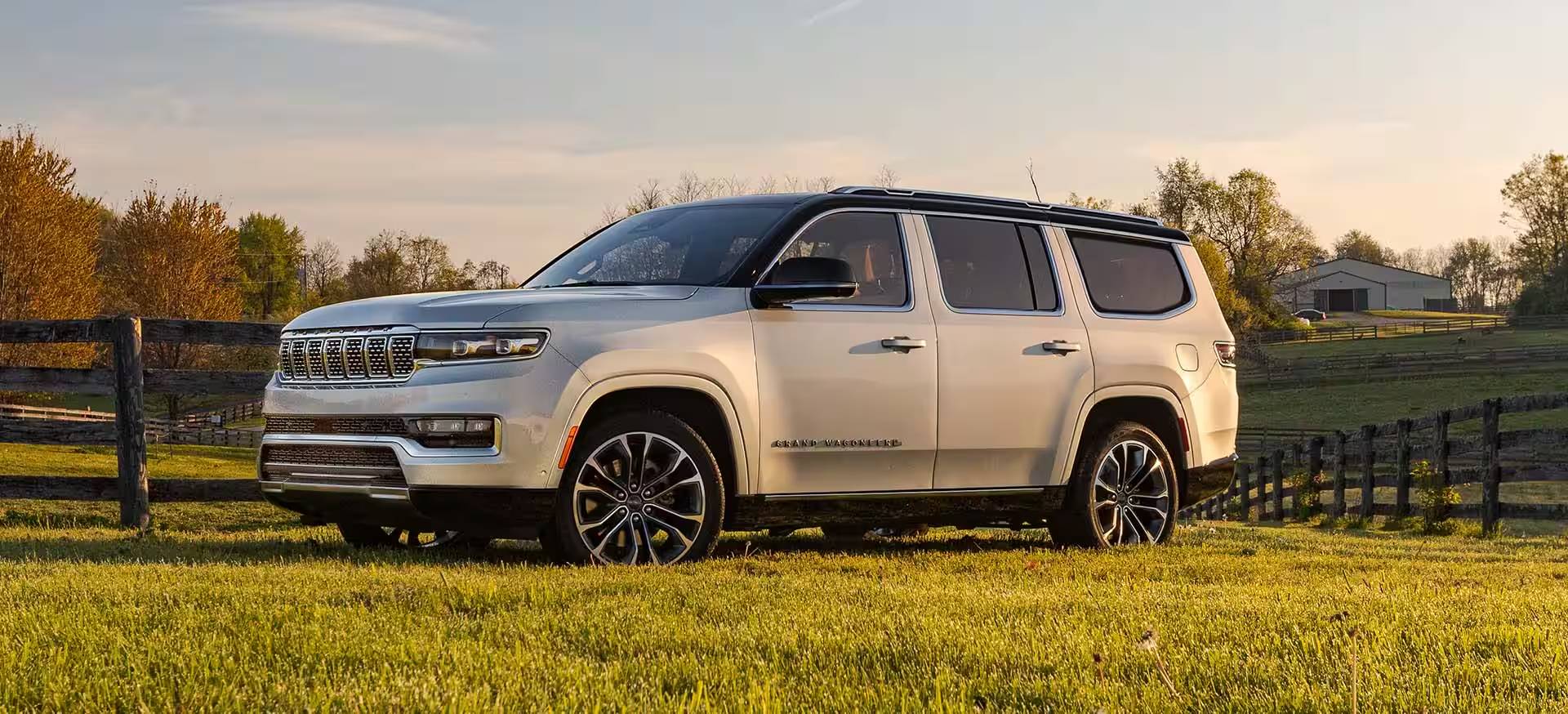
The Wagoneer name carries serious weight in the SUV world, and the 2026 lineup makes one thing clear: these two vehicles weren’t built for the same driver. The Wagoneer S and Grand Wagoneer share a badge and a genuine commitment to luxury, but beyond that, they’re chasing entirely different goals.
One is an electric-forward statement for the modern driver; the other is a full-scale hauler built around traditional power and real capability. At Chris Nikel CJDR Fiat, we put together this comparison to help you figure out which one actually fits your life. Browse our new inventory to see what’s currently available, or keep reading for the full breakdown.
Two Wagoneers, Two Very Different Purposes: Here’s What You Need to Know
The simplest way to frame this is by philosophy. The 2026 Wagoneer S is asking: what does the future of luxury SUV driving look like? The Grand Wagoneer answers a completely different question: what does a family need when nothing is off the table? One leans into innovation; the other leans into proven, large-format performance.
This isn’t a better-or-worse situation. The difference comes down to your day-to-day reality. Whether you’re comparing powertrains, weighing capability, or just trying to understand what each model is actually built for, here’s everything that matters for drivers in Tulsa and the surrounding area.
Powertrain and Performance: Electric Innovation vs. V8 Muscle
The powertrain is where these two vehicles part ways most dramatically. What’s under the hood reflects the entire identity of each model.
Wagoneer S: All-Electric Range, Instant Torque, and Efficiency
The Wagoneer S is fully electric, and that shapes everything about how it drives. In the Limited trim, Jeep delivers 500 horsepower and 524 lb-ft of torque as standard. Add the optional Power Group package and those figures jump to 600 horsepower and 617 lb-ft of torque, with full-time 4WD included. That instant torque means zero lag off the line, and it feels planted and quick in a way traditional engines simply can’t replicate in everyday driving. Efficiency is equally impressive, rated at 100 MPGe city and 85 MPGe highway.
For drivers who primarily run Tulsa metro highways and want to skip the gas station on their daily commute, the Wagoneer S makes a compelling case. Towing capacity reaches up to 3,500 lbs, handling light-duty recreational needs without issue. It charges via DC fast charging and standard Level 2 home setups, keeping downtime manageable for most driving patterns.
Grand Wagoneer: Twin-Turbo Power, Towing Dominance, and Hybrid Flexibility
The Grand Wagoneer takes the opposite approach, and it does so confidently. Its standard engine is a 3.0L twin-turbo inline-six producing 420 horsepower and 468 lb-ft of torque, paired with an 8-speed automatic transmission. That output delivers serious low-end torque, which is exactly what matters when you’re pulling a boat to Grand Lake or hauling a loaded camper across Oklahoma. Towing capacity reaches up to 10,000 lbs, putting a very different conversation on the table compared to the Wagoneer S.
What makes the 2026 Grand Wagoneer more flexible than ever is the available REEV (Range-Extended Electric Vehicle) configuration. The REEV setup produces 647 horsepower and 620 lb-ft of torque with an estimated total range exceeding 500 miles. It lets drivers run on electric power for everyday trips, then tap the combustion engine for demanding hauls or long highway stretches.
Standard fuel economy on the conventional powertrain runs approximately 16 MPG city and 23 MPG highway. The REEV option improves on those numbers significantly in mixed driving while keeping all the capability intact when you actually need it.
Size, Space, and Off-Road Capability: Which SUV Handles More?
If you’re wondering whether the Grand Wagoneer is bigger than the Wagoneer S, yes, by a meaningful margin. That size difference reflects their intended audiences directly.
Passenger Room, Cargo Capacity, and Family Practicality
The Grand Wagoneer is a full-size, three-row SUV seating up to seven or eight passengers with genuine comfort in every row, not the cramped third-row experience common in midsize options. Passenger volume reaches 182.4 cubic feet, with a GVWR of 7,700 lbs and maximum cargo space of up to 94.2 cubic feet. Rear legroom measures 42.7 inches, giving back-row passengers real room on long trips. For households with multiple kids, sports gear, or frequent road trips, that advantage is practical and immediate. The extended-wheelbase Grand Wagoneer L stretches those dimensions even further.
The Wagoneer S offers a more refined interior footprint, with 100 cubic feet of passenger volume, 61 cubic feet of max cargo with seats folded, and 41.3 inches of front legroom. Its GVWR sits at 6,700 lbs. Spacious enough for families, its sleeker two-row profile suits urban environments where parking and maneuverability actually matter. For a couple, a smaller family, or someone who values an agile and efficient driving experience, those dimensions feel generous without being unwieldy.
Towing Capacity and Trail-Ready Performance Compared
The Grand Wagoneer holds a significant towing advantage. Its robust chassis and twin-turbo inline-six handle serious towing duties, making it the clear pick if you regularly haul recreational equipment, trailers, or anything requiring substantial pulling power behind a luxury SUV.
The Wagoneer S is trail-capable with its AWD system and available off-road modes, handling weekend adventure driving well. That said, its 3,500-lb towing limit and off-road pedigree don’t reach the same level as the Grand Wagoneer’s purpose-built capability. For technical terrain or heavy loads, the Grand Wagoneer wins that conversation.
Interior Quality, Technology, and Infotainment Features
Both models sit firmly in the luxury segment, but the interior experience reflects their different identities in meaningful ways.
The Grand Wagoneer’s cabin is unapologetically upscale. Premium leather, real wood and metal trim, and multiple large displays create an atmosphere that competes with the best luxury SUVs on the market. Passengers in all three rows benefit from thoughtful comfort features including available rear entertainment screens, heated and ventilated seating throughout, and a sound system calibrated for long journeys. The technology stack is comprehensive, and the feature list is designed to impress even demanding luxury buyers.
The Wagoneer S takes a more modern, minimalist approach. Its cabin is tech-forward and clean, anchored by a large digital display that integrates navigation, EV system monitoring, and entertainment in one seamless interface. The aesthetic appeals to drivers who prefer precision and purposeful design over maximum ornamentation. Both vehicles feel genuinely premium, but the Grand Wagoneer leans into classic luxury while the Wagoneer S feels like the next generation of it.
Driver assistance technology and infotainment platforms are areas where both models genuinely overlap. Jeep equips both with advanced safety suites and connected services, so buyers on either side aren’t giving up meaningful technology by choosing one over the other. Where they differ is in scale and execution, not in category.
If you’re ready to dig into trim options and want to talk through financing, our team is here to help. Apply for financing through our website to get a head start before your visit.
Trim Levels: Where Each Model Sits in the Luxury SUV Market
Understanding how each vehicle is positioned helps you assess value before stepping into a showroom.
2026 Wagoneer S Trim Structure
The 2026 Wagoneer S is offered in the Limited trim, with the Power Group package as the key upgrade path. That package is the difference between 500 horsepower and 600 horsepower, and it adds full-time 4WD to the equation. Strong standard features come before you even add options, giving buyers a genuinely premium experience right at the entry point.
2026 Grand Wagoneer Trim Structure
The 2026 Grand Wagoneer spans a wide trim ladder: Grand Wagoneer, Upland, Limited Altitude, Limited Reserve, Summit Obsidian, and Summit Reserve. Every trim delivers a premium experience before optional packages are even considered, and upper trims push the Grand Wagoneer into direct competition with the most established luxury full-size SUVs on the market.
Buyers shopping at this level are typically prioritizing a vehicle that does it all without asking for compromise. The Grand Wagoneer L, the extended-wheelbase variant, adds even more room for families who genuinely need it.
Which Lifestyle Does Each Wagoneer Actually Fit?
At this point, the comparison gets personal. Specs matter, but real decisions come down to how you actually live.
Choose the Wagoneer S If Your Life Looks Like This
The Wagoneer S fits drivers who want cutting-edge EV technology in a premium SUV without giving up style or performance. It suits urban and suburban commuters in the Broken Arrow and Tulsa metro who want to cut fuel costs, appreciate instant acceleration, and value a tech-forward interior.
If your household has access to home charging, your daily drives stay within a comfortable electric range, and you want a vehicle that turns heads for forward-looking reasons, the Wagoneer S was built for you. It also makes excellent sense as a second household vehicle for someone whose partner handles the long-haul or towing duties.
Choose the Grand Wagoneer If Your Priorities Look Like This
The Grand Wagoneer is the right call if your life demands maximum capability wrapped in full luxury. Large families, outdoor enthusiasts, frequent road-trippers, and anyone who regularly tows will find it nearly impossible to outgrow.
The REEV option means you can still enjoy meaningful fuel savings on everyday drives while never worrying about range or towing limitations when it counts. If your weekends involve a boat launch on Grand Lake, a mountain campsite, or eight passengers and a cargo roof box, the Grand Wagoneer handles all of it without breaking a sweat.
Ask Yourself These Three Questions Before You Decide
Before you visit, consider these:
- Do you regularly tow more than 3,500 lbs, or do you need to seat more than five passengers comfortably? If yes, the Grand Wagoneer is your vehicle.
- Do you have reliable home or workplace charging access, and are most of your drives within a predictable daily range? If yes, the Wagoneer S will save you money and impress you on every commute.
- Are you buying one vehicle to cover everything, from school pickups to weekend hauling? The Grand Wagoneer, especially with the REEV powertrain, is built for exactly that kind of versatility.
Shop the 2026 Wagoneer Lineup at Chris Nikel CJDR Fiat
Whether the Wagoneer S speaks to you or the Grand Wagoneer is calling your name, our team at Chris Nikel CJDR Fiat is ready to help. We serve Tulsa, Broken Arrow, and surrounding Oklahoma communities with a no-pressure approach and genuine product knowledge on every vehicle we carry.
Whether you’re trying to nail down the difference between trim levels, want to compare the REEV and standard powertrain side by side, or are simply ready to schedule a test drive, you’ll get straight, honest answers from us.
Stop by at 2920 N Aspen Ave in Broken Arrow, or contact our team online to get started today.
Getting the most money out of your current vehicle rarely comes down to luck. It’s about timing, preparation, and working with people who actually know the local market. Whether you’re upgrading to something newer or just ready to move on, understanding how to sell or trade in your vehicle can make a real difference in what you walk away with.
Drivers across Broken Arrow and the Tulsa area have found a smarter, easier way to do exactly that at Chris Nikel CDJR Fiat. If you’re curious what your vehicle is worth, reach out to our team or keep reading to learn what goes into a competitive appraisal offer.
Why Broken Arrow Drivers Are Selling and Trading In Their Cars Right Now
The vehicle market has shifted in ways that genuinely work in your favor. Rising new vehicle prices have pushed up demand for quality used inventory, which means dealerships are actively looking to buy. If you’ve been sitting on a well-kept vehicle, this is a solid moment to act.
There’s also the practical side of things. Families grow, commutes change, and fuel costs start mattering more than they used to. Drivers throughout Broken Arrow and the greater Tulsa area are finding that upgrading now, rather than waiting, lets them trade in while their vehicle still holds strong value. The longer you hold onto a depreciating asset, the less it’s worth. Getting ahead of that curve is just smart financial thinking.
What Your Car Is Actually Worth: How Dealers Determine Trade-In Value
A lot of people walk in expecting one number and leave surprised by another. Once you understand how dealers calculate trade-in value, most of that mystery disappears.
Our team looks at mileage, overall condition, make, model, and trim level, accident and service history, and current Tulsa-area market demand to arrive at a fair offer. A truck or SUV that’s highly sought after across the Broken Arrow metro brings stronger trade-in leverage than something in lower demand locally. Seasonal trends matter too. Trucks and SUVs tend to see stronger demand in fall and winter in Oklahoma, while sports cars and convertibles peak in spring and summer. Timing your appraisal around these patterns can genuinely make a difference.
Condition is one of the biggest variables. Excellent condition means clean paint, a spotless interior, no leaks, near-new tires, and no rust. Good condition covers minor blemishes, solid tires, and sound mechanical health. Fair condition involves visible wear that requires reconditioning, and the offer is adjusted accordingly. Being honest about where your vehicle falls helps the appraisal move faster and sets realistic expectations from the start.
How to Maximize Your Trade-In Value Before You Visit the Dealership
You have more control over your trade-in offer than most people realize. A few hours of preparation before you arrive can translate into a noticeably better result.
Clean, Detail, and Present Your Vehicle at Its Best
First impressions carry real weight in the appraisal process. An appraiser who walks up to a clean, polished vehicle perceives it differently than one encountering a dirty, cluttered car. Wash and vacuum thoroughly, clean the windows inside and out, wipe down the dash and door panels, and address any lingering odors. Minor surface scratches that a detailer could handle inexpensively are worth taking care of beforehand. You don’t need perfection. You just need to show you’ve taken care of it.
Gather Your Service Records and Ownership Documents
A documented maintenance history tells the story of a well-cared-for vehicle. Oil change records, tire rotations, brake work, and any dealer-performed services all demonstrate that the car wasn’t neglected between owners. This kind of paper trail gives appraisers confidence, and that confidence often shows up in the offer. Have your title, current registration, and any existing warranties organized before you arrive.
Know Which Repairs Are Worth Making
Not every repair adds equivalent value to your trade-in offer. Items worth addressing before your appraisal typically include:
- Cracked or chipped windshield
- Bald or significantly worn tires
- Broken interior trim pieces
- Non-functional lights or signals
Major mechanical repairs are a different story. Pouring money into an engine or transmission repair before a trade-in rarely makes financial sense, since the bump in value almost never covers the full cost. Be upfront about known issues and let us factor them in rather than over-investing in a vehicle you’re about to hand over.
Selling vs. Trading In Your Vehicle: Which Option Fits Your Situation?
This is the question every vehicle owner faces, and the honest answer depends on your priorities. Selling privately means writing the listing, fielding inquiries, scheduling test drives, negotiating with strangers, handling paperwork yourself, and accepting the risks that come with it, including no-shows and payment fraud. That process can easily take weeks.
Trading in at Chris Nikel CDJR Fiat is a completely different experience. It’s streamlined, the offer applies directly toward your next purchase, and you’re done in a fraction of the time. There’s also a meaningful financial advantage specific to Oklahoma: when you trade in, you pay sales tax only on the difference between the trade-in value and the new vehicle purchase price, not on the full purchase price.
That tax savings can be substantial, and it’s something private sellers simply don’t get. Add in the speed, the convenience, and the elimination of private-sale risks, and for most drivers the trade-in path is the clear choice.
How the Trade-In and Sell Process Works at Chris Nikel CDJR Fiat
We’ve structured our trade-in process to be transparent and low-friction at every step. Here’s how it actually unfolds.
Step 1: Request Your Vehicle Appraisal Online
Everything starts online. You can start your appraisal by entering your vehicle’s details and receiving an initial estimate from home. This gives you a realistic starting point before you ever step into the dealership.
Step 2: Bring Your Vehicle In for an In-Person Evaluation
The online estimate is just the beginning. A trained appraiser at Chris Nikel CDJR Fiat will conduct a thorough in-person evaluation of your vehicle’s actual condition. This is where preparation pays off. A clean, well-documented car gives the appraiser more reasons to strengthen the offer. It’s also your opportunity to share service history and highlight features that might not have come through in the online form.
Step 3: Accept Your Offer or Apply It Toward Your Next Vehicle
After the evaluation, you receive a firm offer. You can accept it as a straightforward sale or apply it as a down payment toward a new or used vehicle. If you’re eyeing a Jeep Wrangler, Ram 1500, Dodge Charger, or anything else on our lot, rolling your trade-in value into that purchase is one of the smartest financial moves you can make.
Ready to see what your vehicle is worth? Sell us your vehicle and get the process started today.
Why Broken Arrow and Tulsa Area Drivers Trust Chris Nikel CDJR Fiat
Five Decades of Local Experience
Chris Nikel CDJR Fiat has been serving the Broken Arrow and greater Tulsa area since 1973, located at 2920 N Aspen Ave in Broken Arrow. That kind of longevity is built on fair dealing and honest communication, not pressure tactics or lowball first offers designed to leave room for dramatic negotiation.
Fast, Transparent Appraisals
Our in-person appraisals are typically completed in under 30 minutes, with the full process wrapping up in under an hour. Having your documents ready and your vehicle cleaned beforehand keeps things moving efficiently. We buy vehicles in any condition, regardless of age or mileage, and our offers are based on competitive, market-driven pricing for the Tulsa metro.
No Pressure, No Runaround
What you get at Chris Nikel CDJR Fiat is a straightforward appraisal backed by decades of market experience. Whether you’re searching for used car value near me or simply want to work with a dealership you can trust, we’re here to make the experience worth your time.
Frequently Asked Questions About Selling or Trading In Your Car
How long does the appraisal take? For most customers, the in-person appraisal and offer takes under an hour. Having your documents ready and your vehicle cleaned beforehand keeps things moving efficiently.
Do I have to buy a vehicle to trade in my car at Chris Nikel CDJR Fiat? No. We’ll buy your vehicle outright, even if you’re not purchasing a replacement. You can accept a cash offer with no obligation to shop the lot.
What documents do I need to bring? Bring your vehicle’s title, current registration, a valid driver’s license, and any service records you have. If there’s a loan on the vehicle, bring your lender’s contact information and loan account number so the payoff can be coordinated smoothly.
Can I sell my car if I still owe money on it? Yes, this is a very common situation. Our finance team will work with you to determine your payoff amount and factor it into the trade-in process. If your vehicle is worth more than you owe, that positive equity applies directly toward your next purchase.
If you’re ready to sell or trade in your vehicle and get the most out of it, get in touch with Chris Nikel CDJR Fiat or stop by our Broken Arrow location. Our team is ready to make the experience worth your time.
Easter Egg Hunts in Tulsa, OK

Photo by Kindel Media: https://www.pexels.com/photo/easter-decoration-on-a-yellow-background-7081384/
Spring brings Tulsa families together through annual Easter egg hunts across local parks and community spaces. Whether you’re new to the area or looking to explore different Easter traditions, Tulsa offers plenty of egg hunt options that transform simple afternoons into cherished family memories.
Easter Egg Hunts in Tulsa: A Beloved Spring Tradition
Easter egg hunts in Tulsa have grown from simple backyard gatherings into elaborate community celebrations that draw thousands of families each spring. Local organizations pour resources and creativity into these events, turning them into multi-faceted celebrations with craft stations, entertainment, face painting, and themed activities that stretch the fun for hours.
These gatherings reinforce the community support and shared celebration that define Tulsa’s character. The variety ensures families who attend multiple events throughout the season find fresh experiences at each location. You’ll discover everything from large-scale festivities with thousands of participants to intimate neighborhood gatherings.
Top Family-Friendly Easter Egg Hunt Locations in Tulsa
Chandler Park Spring Carnival Eggstravaganza
Chandler Park’s Spring Carnival Eggstravaganza takes place Saturday, March 28, 2026, from 10:00 a.m. to 2:00 p.m. at 6500 W. 21st St. This free event requires pre-registration and wristband check-in. Families need to bring their own baskets. Beyond the egg hunt, the carnival features games and activities for all ages.
The park’s generous layout allows organizers to create distinct hunting zones for different age groups, preventing chaos and ensuring even the smallest hunters get genuine opportunities to find eggs. Despite attendance climbing into the thousands, families report well-managed hunts with clear signage and volunteer assistance.
Tulsa Zoo Spring Easter Celebration
The Tulsa Zoo hosts its Spring with the Bunny on April 4 from 9 a.m. to 12 p.m. at Rajan’s restaurant in the Lost Kingdom exhibit complex. Zoo Members pay $5 per person (ages 2+) while Non-Members pay $10 per person. The celebration includes animal chats, crafts, enrichment opportunities, and Easter Bunny photos, combining wildlife encounters with Easter traditions.
What sets zoo events apart is the educational components woven throughout the celebration. Children learn about springtime animal babies and participate in nature-themed crafts between egg-hunting activities. Tickets cover the Spring with the Bunny experience only; zoo admission must be purchased separately.
Owen Park and Reed Park Community Hunts
Owen Park hosts its Easter Egg Hunt and Spring Festival on March 28 at 11 a.m. at 560 N. Maybelle Ave. The hunt welcomes children ages 3-10 and includes games, crafts, and family activities. The event is free, and online registration is required.
Reed Park’s Easter Egg Hunt returned last year on April 4, running from 6:30 to 7 p.m. at 4233 S. Yukon Ave. The event welcomed children ages 2-12 for an egg hunt, followed by Easter Bunny photos, games, and crafts for the whole family. It was a popular community event that drew families from across the area for an evening of spring celebration. Details for the 2026 Reed Park Easter Egg Hunt have not yet been announced. Visit the Tulsa Parks website for updates as they become available
City of Owasso Community Egg Hunt
The City of Owasso Community Egg Hunt happens April 4 from 9 a.m. to 12 p.m. at Rayola Park, 8300 N. Owasso Expy. This event features 10,000 eggs, age-grouped hunts, and Easter Bunny photos. Pre-registration is required.
Andy B’s Easter Egg Hunt
Andy B’s offers a unique hunt experience on April 4, starting at 9:00 a.m. at 8711 S Lewis Ave. This free event welcomes children ages 0-15, with age-specific hunts in different venues throughout the facility. Ages 0-4 hunt at 9 a.m. in the newly renovated restaurant area, ages 5-9 at 9:45 a.m. on the go-kart track, and ages 10-15 enjoy a glow-in-the-dark hunt at 10:15 a.m. in the laser tag arena.
PAWS Easter Egg Hunt (Dog-Friendly)
Pet owners can join the PAWS Egg Hunt on April 11 from 10 to 11 a.m. at Whiteside Park, 4009 S. Pittsburg Ave. This pet-friendly hunt features prize eggs and toys for furry friends.
Tiny Tots at Wheels and Thrills
Wheels and Thrills at 10637 N. Garnett Rd. in Owasso hosts a hunt featuring 1,000+ eggs plus skating, jumping, riding, and playing. Entry costs $5 per jumper at the door.
Sensory-Friendly and Special Needs Easter Events
Tulsa’s commitment to inclusivity shines through specialized Easter events designed for children with sensory sensitivities and special needs. Woodland Hills Mall hosts Caring Bunny on March 22 from 10:30 to 11:30 a.m., offering a sensory-friendly experience for children with special needs. Reservations are required.
These thoughtfully planned celebrations modify traditional hunt elements that might overwhelm some children. They create welcoming environments where every family can participate comfortably. Adjustments might include quieter music, smaller crowds, longer hunting windows, or designated quiet spaces where children can take breaks when needed.
Essential Tips for a Successful Easter Egg Hunt
Planning and Preparation
Good preparation separates smooth outings from stressful experiences. Check event details carefully before leaving home, confirming start times, age group divisions, and registration requirements. Some popular events fill registration slots days in advance, making early planning essential. Understanding specific rules at each event prevents confusion, as some hunts limit eggs per child while others operate first-come, first-served.
Weather in Oklahoma during spring can shift dramatically. Check forecasts the morning of your event for appropriate dressing and necessary gear. Many outdoor events proceed rain or shine. Monitor event pages and social media for weather cancellation updates.
What to Bring
Bring baskets or any container with handles to hold collected treasures. Pack snacks and drinks for longer events where food vendors might be limited. Water bottles keep everyone hydrated during active play. Sun protection including sunscreen, hats, and sunglasses shields against intense spring sun. Lightweight ponchos provide rain coverage, and a small first-aid kit handles minor scrapes.
Arriving Early
Early arrival provides prime parking spots, reduces stress, and lets children get comfortable with the environment before the hunt begins. Early attendees access popular attractions like Easter Bunny photos without long waits and enjoy activity stations before crowds arrive.
Age Group Considerations
Most organizers create separate hunting areas or time slots for different age ranges, typically toddlers, preschoolers, elementary ages, and sometimes pre-teens. Younger children benefit from simplified hunts with visible egg placement and enforced collection limits. Older children’s hunts introduce challenge through harder-to-find hiding spots and sometimes additional elements like riddles or clues.
Fun Spring Activities Beyond Easter Egg Hunts
Tulsa spring celebrations extend beyond Easter weekend. Outdoor festivals celebrating arts, music, and culture fill local parks throughout March and April. Nature walks through Tulsa’s park system reveal spring transformations, with many parks offering guided nature programs. Community fairs and farmers markets ramp up activity as the weather warms, providing destinations where families can shop for local produce and crafts while enjoying entertainment.
Planning Your Perfect Tulsa Easter Weekend
Creating a memorable Easter weekend in Tulsa starts with identifying which events align with your family’s interests and schedule. Mapping out multiple options gives you flexibility if weather forces changes or one event proves more crowded than comfortable. Build a loose itinerary including egg hunts plus activities like zoo visits or park time for variety across the entire weekend.
Balance structured activities with downtime to prevent exhaustion from overscheduling. Children need periods to decompress between high-energy events, and parents benefit from breaks to recharge. Build flexibility into plans to accommodate unpredictable elements, whether a child needs rest or the family discovers a spontaneous opportunity. The goal is creating quality family time that celebrates the season without overwhelming anyone.
Event details may change, so families should confirm information directly with organizers before attending. Check official event pages and social media for the most current updates about times, registration requirements, and weather-related changes to ensure a successful Easter celebration across Tulsa and surrounding Oklahoma communities.
Looking for more local recommendations or have questions about the Tulsa area? Drop us a note and we’ll point you in the right direction.
The 2026 lineup from Ram, Jeep, and Dodge brings together serious power and smart innovation. Need a truck that works as hard as you do? An SUV ready for any adventure? Pure American muscle that makes your heart race? These updates prove you don’t have to choose between performance and progress.
What’s New for 2026: Ram, Jeep, and Dodge at a Glance
This model year gets the balance right between honoring tradition and pushing forward. Ram’s powertrain selection spans from twin-turbo efficiency to classic HEMI thunder, plus electric capability. Jeep keeps building trail-ready machines while adding comfort features that make your daily drive just as enjoyable as weekend escapes. Dodge takes American muscle to new heights, blending high-octane excitement with the connectivity you actually want.
Each brand keeps its unique character while embracing the tech drivers demand today. You’ll find advanced driver-assist systems, better fuel economy, and smarter infotainment across the board. These aren’t just flashy updates, they tackle real problems and create vehicles that feel both familiar and genuinely improved.
Want to stay in the loop about when these models hit the lot? Contact Chris Nikel CJDR for updates on 2026 arrivals.
2026 Ram 1500: Hurricane Engines, HEMI Power, and Electric Innovation
The 2026 Ram 1500 doesn’t force you into one-size-fits-all thinking. Construction crews need maximum pulling power. Daily commuters want better gas mileage. Enthusiasts crave that unmistakable V8 growl. Ram’s approach respects what truck buyers actually need without making anyone compromise their priorities.
3.0L Hurricane Engine Options and the Returning 5.7L HEMI V8
Those twin-turbocharged 3.0L Hurricane engines pack a serious punch while sipping fuel more efficiently. Standard-output versions pump out 420 hp and 469 lb-ft across Tradesman, Big Horn, Laramie, and Rebel trims. High-output variants crank up to 540 hp and 521 lb-ft in premium trims like RHO, Limited, Limited Longhorn, and Tungsten. With Hurricane power under the hood, properly equipped Ram 1500s can tow up to 11,610 lbs.
Traditionalists will smile knowing the 5.7L HEMI V8 returns with 395 hp and 410 lb-ft. It keeps that legendary reputation for rock-solid power and the exhaust note that turns heads at stoplights. Available across most Ram 1500 trims, including Tradesman, Express, Big Horn, Warlock, Laramie, Limited, and Limited Longhorn, the HEMI ensures this iconic powerplant lives on for folks who appreciate proven V8 muscle.
Each powertrain shines in different situations. Hurricane engines suit drivers wanting better fuel economy without sacrificing towing strength. The HEMI calls to those who prefer traditional V8 reliability and sound. Having both options means more buyers find exactly what they’re looking for.
Ram 1500 REV: Range-Extended Electric Capability Coming Soon
The Ram 1500 REV shows that battery power can handle real truck work. This range-extended electric variant pairs a 92-kWh battery with a 3.6L Pentastar V6 generator, producing 647 hp and 610 lb-ft. Ram projects availability in 2026, with exact timing subject to updates as production details are confirmed.
That instant torque makes pulling heavy loads feel effortless, while the range-extended setup eliminates worries about finding charging stations. This electric option opens Ram’s appeal to environmentally minded buyers who still need full truck capability. Fleet operators love the reduced fuel costs and lower maintenance demands. Individual owners appreciate the surprisingly quiet operation during early morning starts.
2026 Jeep Lineup: Trail-Rated Capability Meets Modern Refinement
Jeep’s off-road DNA stays strong heading into 2026. What’s evolving is how comfortable and connected the journey feels, whether you’re climbing rocky trails or picking up groceries around Tulsa. Modern touches enhance the experience without diluting Jeep’s adventurous soul.
Wrangler Enhancements for Off-Road Adventures
The Wrangler 4xe plug-in hybrid does not return for 2026. Stellantis confirmed in January 2026 that it is phasing out all plug-in hybrid programs in North America beginning with the 2026 model year, citing shifting customer demand. The 2026 Wrangler lineup continues with gas-powered options, including the available 6.4L V8 in the Wrangler 392 delivering 470 hp and 470 lb-ft of torque.
The 2026 Wrangler builds on its off-road foundation with refreshed LED headlights, updated seven-slot grille, and refined suspension tuning. Enhanced traction management gives drivers extra confidence when terrain gets challenging. The new 12.3-inch Uconnect 5 touchscreen brings current connectivity to this iconic trail runner.
Those removable tops and doors preserve the open-air experience that defines Jeep ownership, while upgraded interiors provide welcome comfort during winter months.
Grand Cherokee Updates: Luxury and Versatility
The 2026 Grand Cherokee welcomes a new 2.0L Hurricane 4 Turbo engine making 324 hp and 332 lb-ft. Best-in-class towing reaches 6,200 lbs, while a larger 12.3-inch Uconnect 5 touchscreen and Hands-Free Active Driving Assist boost convenience. An updated grille and LED lighting freshen the exterior.
Premium leather, genuine wood trim, and soft-touch materials create an upscale environment that competes with luxury SUVs. Three rows accommodate larger families, while flexible cargo arrangements handle changing needs. Advanced safety systems monitor your surroundings and help prevent collisions, working seamlessly behind the scenes.
2026 Dodge Charger: Electric Muscle and Twin-Turbo Performance
Charger Daytona Scat Pack: Electrified American Muscle
The 2026 Dodge Charger Daytona Scat Pack reinvents American muscle with electric power. Delivering 670 hp and 627 lb-ft, this EV launches from 0-60 mph in just 3.3 seconds with up to 241 miles of range. A new four-door variant joins the two-door coupe, adding practicality without killing performance.
That instant torque delivery creates acceleration that feels both visceral and immediate. Advanced chassis tuning provides handling dynamics older muscle cars couldn’t dream of. Performance data displays offer real-time feedback for tracking your driving metrics, while safety systems work quietly in the background.
Charger R/T: Twin-Turbo Tradition
For traditional performance fans, the Charger R/T features a 3.0L Hurricane twin-turbo delivering 420 hp and 468 lb-ft. This setup honors muscle car heritage while embracing modern turbo technology. The combination appeals to enthusiasts who welcome progress without forgetting what made muscle cars thrilling in the first place.
Uconnect Technology and Driver-Assist Features Across the 2026 Lineup
The latest Uconnect 5 system transforms how you interact with your vehicle through intuitive touchscreens and voice commands. Wireless smartphone integration connects seamlessly. Navigation includes real-time traffic updates and intelligent routing that adapts to changing conditions, particularly helpful around the Tulsa metro during rush hour.
Over 100 standard safety features span the lineup. Blind-spot monitoring alerts you to vehicles in those tricky-to-see zones. Lane-keeping assistance provides gentle corrections when you drift. Automatic emergency braking adds a crucial safety net. Hands-Free Active Driving Assist reduces fatigue on long highway stretches. These systems create more confident driving, especially during extended trips or challenging weather.
How 2026 Ram, Jeep, and Dodge Updates Benefit Tulsa-Area Drivers
Oklahoma’s diverse landscape and climate create specific vehicle demands. Tulsa-area drivers face everything from summer heat to winter ice, requiring vehicles that handle varied conditions with confidence. The 2026 lineup addresses these local realities through practical features.
Better fuel efficiency helps whether you’re commuting between Broken Arrow and Tulsa or heading out for weekend getaways. Improved MPG ratings mean real savings and fewer gas station stops. Enhanced towing capacity supports Oklahoma’s outdoor recreation culture. Whether you’re hauling boats to area lakes or trailers to camping spots, these trucks handle the job. Jeep’s off-road capability opens exploration opportunities across the state’s varied terrain.
Advanced technology features really shine during Oklahoma’s unpredictable weather. Driver-assist systems provide extra confidence when visibility drops suddenly. Traction control maintains grip on wet or icy roads. These safety enhancements matter most when conditions turn challenging without warning.
Curious about how specific 2026 models fit your lifestyle? Reach out to our team to discuss which powertrain, capability package, or technology features match your needs.
Pre-Order Your 2026 Model at Chris Nikel CJDR in Tulsa
Pre-ordering at Chris Nikel CJDR in Broken Arrow puts you among the first to experience these 2026 innovations. Our family-owned dealership has served Tulsa and surrounding communities since 1973, building relationships that span decades.
Our no-pressure approach lets you explore options at your own pace. Want to compare the Ram 1500 Hurricane against the HEMI V8? We’ll walk you through both powertrains honestly. Curious about Jeep Wrangler off-road packages? We can explain how different setups match various adventure styles.
Beyond sales, our full-service facility supports your vehicle throughout ownership. Our Collision Center handles repairs with genuine Mopar parts from one of the region’s best-stocked warehouses. Express maintenance keeps your vehicle running smoothly. When you’re ready to customize your Jeep or Ram truck, our specialists bring your vision to life.
Stop by our showroom at 2920 North Aspen Avenue in Broken Arrow to discuss your 2026 model preferences. We’ll keep you updated as more details emerge about specific features and availability. Contact Chris Nikel CJDR today to secure your spot and find the perfect 2026 Ram, Jeep, or Dodge that matches your driving style.
Connect with us


- July 2026
- June 2026
- May 2026
- April 2026
- March 2026
- February 2026
- January 2026
- December 2025
- November 2025
- October 2025
- September 2025
- August 2025
- July 2025
- June 2025
- May 2025
- April 2025
- March 2025
- February 2025
- January 2025
- December 2024
- November 2024
- October 2024
- September 2024
- August 2024
- July 2024
- June 2024
- May 2024
- April 2024
- March 2024
- February 2024
- January 2024
- December 2023
- November 2023
- October 2023
- September 2023
- August 2023
- July 2023
- June 2023
- May 2023
- April 2023
- March 2023
- February 2023
- January 2023
- December 2022
- November 2022
- October 2022
- September 2022
- August 2022
- July 2022
- June 2022
- May 2022
- April 2022
- January 2022
- December 2021
- November 2021
- September 2021
- August 2021
- July 2021
- June 2021
- April 2021
Archives
- 2021 Jeep Wrangler
- Chris Nikel Chrysler Jeep Dodge Ram Fiat Service
- Chrysler Model Features
- Comparisons
- Credit
- Dodge
- Financing
- Holiday
- Jeep Model Features
- Jeep Model Research
- Local
- Local Events
- New Vehicle Features
- RAM
- Ram Model Features
- Ram Model Research
- RAM Towing Tech
- Service
- Service Tips
- Technology
- Tire
- Uncategorized