Chris Nikel Chrysler Jeep Dodge Ram Fiat

Blog / Jeep Model Research

Overview Of The All-New 2022 Jeep Grand Cherokee WK

2022 Jeep Grand Cherokee WK
  The Jeep Grand Cherokee is a reliable SUV that never disappoints its customers, including everyone from small families to commuters who want to drive in comfort. If you don't want to give up on this timeless vehicle but want to benefit from a bit of modernity, the 2022 Jeep Grand Cherokee WK is calling your name. Below, you can explore everything new for the 2022 Jeep Grand Cherokee WK and why you should head to Chris Nikel to lock in your purchase.  

Performance

The 2022 Jeep Grand Cherokee WK is arriving at Jeep dealerships in full throttle. It comes equipped with a 3.6-liter Pentastar V-6 engine. This engine incorporates innovative electronic start/stop technology to help you save on fuel. To improve its efficiency on the road, the Grand Cherokee WK halts the fuel flow and shuts the engine off whenever you come to a stop. Whenever you're ready to push on the accelerator, you can get moving again without a second thought. The engine is quite powerful, as it boasts 260 pound-feet of torque and 295 horsepower. While being such a robust SUV, you can get surprisingly decent fuel efficiency. If you stick to city roads, you'll achieve a fuel efficiency of 19 miles per gallon. When you switch to highway driving exclusively, your fuel efficiency can climb as high as 26 miles per gallon. When you purchase the 2022 Grand Cherokee, you have the option of adding the Selec-Terrain Traction Management System. This system is excellent for driving no matter the weather conditions. It provides maximum traction on rough roads thanks to its ability to adjust torque distribution, engine performance, and shift patterns. You can also invest in the Quadra-Trac II 4x4 System, which has specialized sensors and a two-speed low transfer case that checks for and addresses tire slippage when you're on slick roads. While the 2022 Grand Cherokee has excellent driving performance, its towing capacity should not be overlooked. You can haul up to 6,200 pounds when you have the proper towing configuration in place. Before you try to tow anything, it's a good idea to speak to your dealer about your requirements. Here at Chris Nikel, we're more than eager to discuss the towing configuration you need to haul the items you plan on taking to your destinations. You can visit us in person or speak with a team member on the phone to get more information. Even if you're not ready to discuss something as specific as towing configurations, we'd love to talk with you about anything relating to the Grand Cherokee WK, as it's a prominent SUV on our radar.

Specs

While the 2022 Jeep Grand Cherokee WK is similarly sized to models from previous years, it can be helpful to understand how its dimensions have been modified so that you know exactly what you're getting. This vehicle sits at 189.8 inches in length and 69.3 inches in height. Without the mirrors, its width is 76.5 inches. When you account for mirrors, the width expands to 84.8 inches. The Grand Cherokee WK's curb weight, including all standard equipment and a full tank of gas, is 4,513 pounds. When you fuel up at the gas station, you can expect the tank to hold up to 24.6 gallons of gas.

Price

The 2022 Grand Cherokee WK has a starting manufacturer's suggested retail price (MSRP) of $37,375. This MSRP is for the Laredo E, the base trim level of the Grand Cherokee WK. The other trim levels, Laredo X and Limited, have higher starting MSRPs since they offer you some additional features.

Exterior

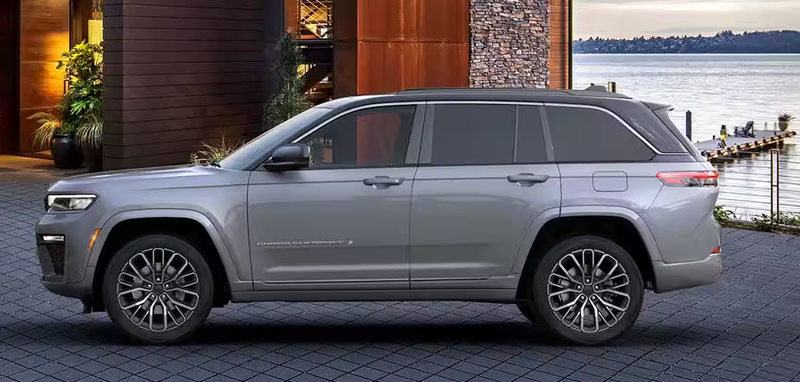
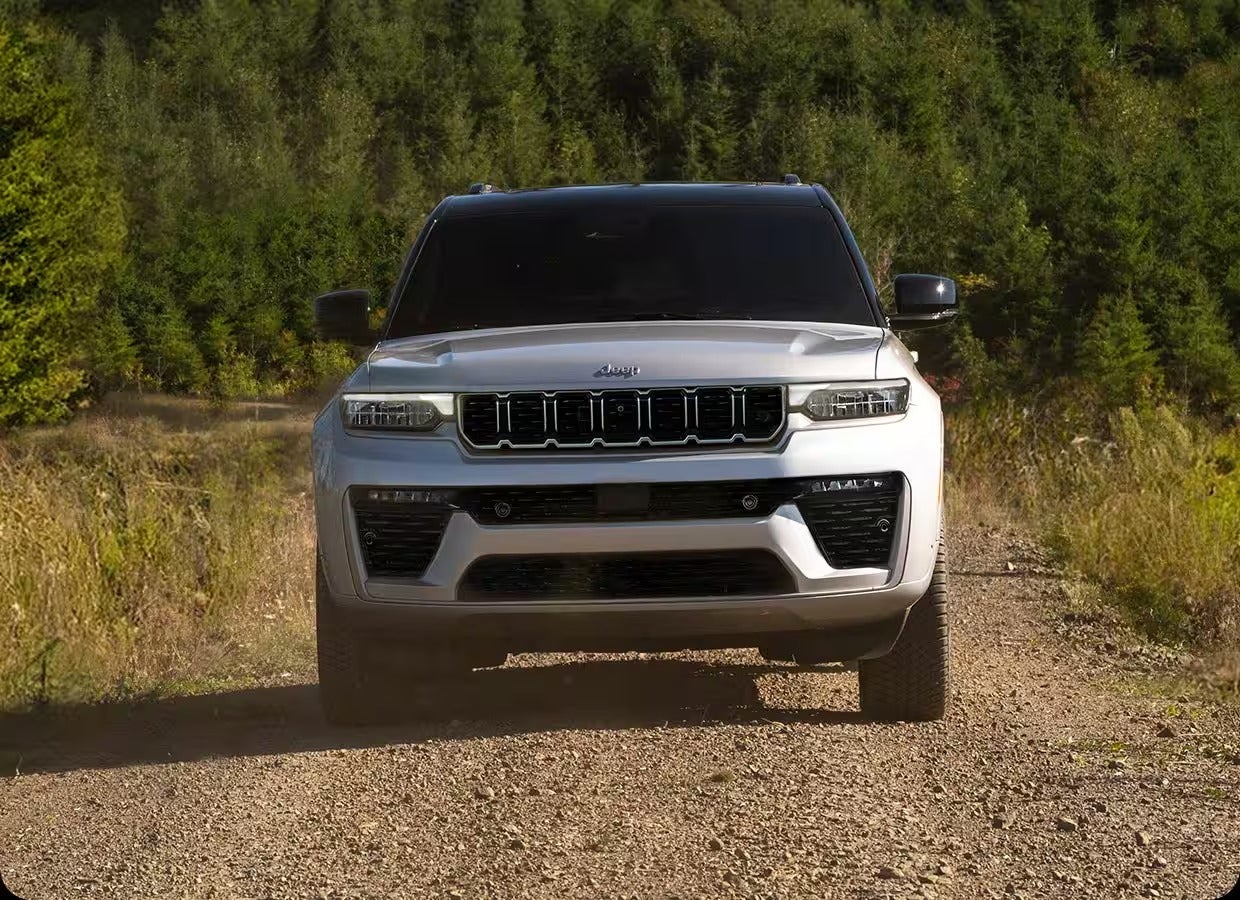
The 2022 Jeep Grand Cherokee WK retains some of the rugged elements and sweeping curves that define it as a notable model, but there are a few striking additions to add freshness. For instance, you'll notice the distinct seven-slot grille located front and center. You'll also see rear and front fascias that match the outer coat color you choose. Depending on the options available at your local dealership, you can get this SUV in striking colors like Dark Garnet Red Pearl and Gucci Black. Other notable exterior features include the power sunroof and chrome side mirrors.

Interior Amenities

When you step inside the 2022 Grand Cherokee WK, you'll find it spacious and inviting. With all the seats up, you can access a storage area of up to 36.3 cubic feet. If you choose, you can fold down the back row to increase your storage space significantly. Some interior amenities that you and your passengers will appreciate for their sophistication include premium leather-trimmed bucket seats, an available leather-wrapped heating steering wheel, and heated front seats. We also greatly appreciate the available power-adjustable driver seat. Better yet, it comes with a memory function so that different drivers can program their preferred seat height and distance from the steering wheel. When it's your turn to hop in the driver's seat, you don't have to spend time finding the perfect position, as the 2022 Grand Cherokee WK does this for you. As far as infotainment goes, this SUV comes with a Uconnect 4C NAV system with an 8.4-inch touchscreen compatible with Android Auto and Apple CarPlay. If you want a refined listening experience, you can opt for the available Alpine Premium Audio System. This system has an eight-inch subwoofer, nine speakers, and a 506-watt amplifier that all work together to deliver crisp audio.

Safety Features

New with the 2022 Grand Cherokee WK is the available Pro-Tech II system. This is a system of advanced safety features that include the following:
  • Full-speed forward collision warning with active braking.
  • Rain-sensing windshield wipers.
  • LaneSense lane departure warning with lane keep assist.
  • Parallel park assist.
  • Perpendicular park assist.
  • Adaptive cruise control with stop and go.
  • Advanced brake assist.
With all the new 2022 Grand Cherokee WK has to offer, you don't want to miss out on this ideal SUV. Be sure to stop by our dealership at Chris Nikel to browse our available inventory or contact us today for more information.    
Posted in:

Related Posts

Jeep Grand Cherokee parked in front of a house and waterfront

2026 Jeep Grand Cherokee vs. Toyota 4Runner: Which SUV Fits Your Lifestyle?

Cross-shopping the 2026 Jeep Grand Cherokee vs Toyota 4Runner comes down to how you drive week to week. Some buyers want a refined daily driver that can still handle a trail on the weekend. Others want a proven off-roader built to outlast everything else on the road. If you're weighing these two around Tulsa or Broken Arrow, we can help you compare them side by side. Browse our current new inventory or keep reading to see which one lines up with your lifestyle. Design and Body Structure: Refined Unibody vs. Rugged Body-on-Frame The Grand Cherokee rides on a unibody platform tuned for on-road comfort, quiet cabin manners, and confident handling. The 2026 refresh brings a new front fascia, redesigned grille, updated LED headlamps, and an available hands-free power liftgate, along with upgraded interior materials that lean upscale. The 4Runner takes the opposite approach. Its sixth generation moves to Toyota's TNGA-F platform but keeps traditional body-on-frame construction with a high-strength steel frame, the same formula that's made the 4Runner a trail-riding staple for decades. Inside, the cabin gets a Tacoma-inspired horizontal dash layout with wipe-clean, durable surfaces built to handle mud and gear day after day. That single structural difference, unibody refinement against body-on-frame toughness, shapes almost everything else in this comparison. Powertrain Options and Performance The specs that actually affect your daily drive break down like this. Jeep Grand Cherokee Engine Lineup The 2026 Grand Cherokee lineup spans six trims: Laredo, Laredo X, Laredo Altitude, Limited, Limited Reserve, and Summit. Power comes from two engines: The 3.6L Pentastar V6 produces 293 hp and returns up to 26 mpg highway, standard on Laredo and Laredo X. The 2.0L Hurricane 4 Turbo makes 324 hp with EPA estimates of 21 city and 27 highway mpg, and the Grand Cherokee's best-in-class range tops out at 529 miles thanks to a new Gen IV transmission. Toyota 4Runner Engine Lineup The 4Runner counters with two turbocharged options of its own: The 2.4L i-FORCE turbo generates 278 hp and 317 lb-ft, paired with an 8-speed automatic. The i-FORCE MAX hybrid combines a 48-hp electric motor with a 1.87-kWh battery for 326 hp and 465 lb-ft, with peak torque arriving around 1,700 rpm. The Trailhunter trim specifically is rated at 323 hp. The hybrid comes standard on TRD Pro, Trailhunter, and Platinum, and is available on TRD Off-Road, TRD Off-Road Premium, and Limited. Both automakers clearly moved toward turbocharged, torque-rich engines for 2026. Toyota's hybrid setup leans into low-end grunt, while Jeep's Hurricane 4 favors range and daily efficiency. Off-Road Capability and Terrain Management Grand Cherokee Trailhawk Capability The Trailhawk trim isn't part of the 2026 Grand Cherokee lineup. It was discontinued alongside the cancellation of the 4xe hybrid, and while it's expected to return, likely as a 2027 model, buyers shopping today should focus on what's actually available now. That's still a lot. The 2026 lineup offers Quadra-Trac I, Quadra-Trac II, and Quadra-Drive II with a rear electronic limited-slip differential, plus available Quadra-Lift Air Suspension and Selec-Terrain modes covering Auto, Sport, Rock, Snow, and Mud/Sand. That's a genuinely capable setup for gravel roads outside Tulsa or a muddy trailhead after an Oklahoma storm, even without a dedicated off-road trim this year. 4Runner TRD Pro and Off-Road Heritage The 4Runner's off-road identity runs deep, and ground clearance varies noticeably by trim: 8.1 inches on the SR5, 9.1 inches on the TRD Off-Road, and 10.1 inches on the TRD Pro and Trailhunter. Every trail-focused trim adds an electronic locking rear differential, Multi-Terrain Select, and Crawl Control. The TRD Off-Road uses Bilstein monotube shocks with 33-degree approach and 24-degree departure angles, while the TRD Pro steps up to FOX QS3 shocks and a Stabilizer Disconnect Mechanism, also found on the Trailhunter and, new for 2026, optional on the i-FORCE MAX TRD Off-Road Premium. An available Multi-Terrain Monitor displays on a 14-inch touchscreen, and the TRD Pro's IsoDynamic performance seats are exclusive to that trim. If off-roading is your primary use case rather than an occasional weekend activity, the 4Runner's dedicated trail trims have a real edge right now. Towing Capacity and Cargo Versatility Towing numbers matter if you've got a boat or camper waiting in the driveway. The Grand Cherokee tows up to 6,200 lb with either engine and in either 2WD or 4WD, a figure Jeep calls best in class. Cargo space behind the rear seats is rated at 37.7 cu ft, expanding to 70.8 cu ft max, and the extended Grand Cherokee L offers 17.2 cu ft behind the third row, 84.6 cu ft max, and seating for up to seven. Manufacturer cargo figures are measured floor to ceiling, so it's worth bringing your bulkiest gear along on the test drive rather than trusting the number alone. The 4Runner tows up to 6,000 lb when properly equipped, backed by an integrated hitch and an available Tow Technology Package. Cargo space tops out around 90.2 cu ft on two-row, non-hybrid trims (82.6 cu ft max on hybrid models like the TRD Pro and Trailhunter), with an exterior footprint of 194.9 inches long by 77.9 inches wide. The Grand Cherokee edges ahead on towing capacity, while the 4Runner offers more outright cargo room. Either way, budget questions are easy to sort out. Apply for financing or browse our current inventory to see what fits your plans and your monthly payment. Interior Comfort, Technology and Family Utility Inside, the Grand Cherokee runs Uconnect 5 standard across every trim, with an 8.4-inch display on Laredo and Laredo X, and a 12.3-inch navigation display on Laredo Altitude, Limited, Limited Reserve, and Summit. Wireless Apple CarPlay and Android Auto are standard, and an optional 10.25-inch passenger-side screen is available. The Summit trim adds an exclusive 19-speaker McIntosh audio system and a Front Passenger Interactive Display. Three-row Grand Cherokee L trims seat up to seven. The 4Runner sticks to a more practical setup: an 8-inch touchscreen, 7-inch digital driver display, 8 speakers, wireless CarPlay and Android Auto, and USB-C ports are standard, with a 14-inch touchscreen and 12.3-inch digital cluster available on upper grades. Available third-row seating accommodates up to seven on the non-hybrid SR5 and Limited trims, and an available hands-free power liftgate adds convenience for hauling kids and gear. The Grand Cherokee pulls ahead if premium cabin tech and materials matter most to you. But the 4Runner holds its own for buyers who want a durable, low-fuss interior that shrugs off muddy boots. Safety Features and Driver-Assist Systems The Grand Cherokee comes standard with forward collision warning, automatic emergency braking, blind spot detection, and lane management. Active Driving Assist is standard on Laredo Altitude, Limited, Limited Reserve, and Summit trims, and the available Night Vision system can be added from the Limited on up. Hands-Free Active Driving Assist with driver-attention monitoring is also available. NHTSA has awarded the Grand Cherokee a five-star overall safety rating. The 4Runner comes standard with Toyota Safety Sense 3.0, which includes a Pre-Collision system with Pedestrian Detection, Full-Speed Dynamic Radar Cruise Control, Proactive Driving Assist, improved lane recognition, motorcyclist detection, and an upgraded automatic emergency stop function. It also offers a digital key and an available Card Key. Both SUVs take driver-assist tech seriously, and families cross-shopping either one won't be settling for less. Durability, Reliability and Long-Term Ownership This is where the 4Runner has earned its reputation. It tied with the Buick Enclave for the top spot in the upper midsize SUV segment of the 2026 J.D. Power U.S. Vehicle Dependability Study, and it's common to see units on the road with well over 200,000 miles. One caveat worth knowing: that study surveys owners of 2023 vehicles after three years, so the score belongs to the previous-generation 4Runner with its V6, not the redesigned turbo and hybrid model sitting on lots today. The Grand Cherokee's story is more nuanced, and we'd rather give it to you straight than cherry-pick numbers. J.D. Power gives the Grand Cherokee a predicted reliability score of 81 out of 100, landing in the "Great" tier, while Consumer Reports predicts below-average reliability for the model. It's backed by a 3-year/36,000-mile limited warranty and a 5-year/60,000-mile powertrain warranty, and our certified CJDR/FIAT technicians keep Grand Cherokees running strong using genuine Mopar OEM parts, whether that's routine maintenance or bigger repairs down the road. Both vehicles are solid long-term bets. The 4Runner leads on pure dependability data, while the Grand Cherokee backs its warranty with a full-service Mopar parts and service team ready to support you for years. Which SUV Matches Your Lifestyle? Your answer in the 2026 Jeep Grand Cherokee vs Toyota 4Runner debate really depends on how you actually live day to day. Choose the Grand Cherokee If You Want Refined Comfort If your weekends mix family errands with the occasional gravel road, the Grand Cherokee makes a strong case, with Uconnect 5, upscale materials, and a 6,200-lb towing rating that'll haul a camper out to a lake near Tulsa without wrecking your ride home. Choose the 4Runner If You Want Rugged Adventure-Readiness If you're regularly hitting off-road trails or dealing with rougher rural roads around Oklahoma, the 4Runner is built for that life. It also brings decades of proven reliability data and a track record of running 200,000-plus miles without complaint. Test Drive Both SUVs at Chris Nikel CJDR Fiat See the Difference Behind the Wheel Reading specs only gets you so far. The real answer shows up behind the wheel, whether that's testing the Grand Cherokee's Quadra-Drive II system on a gravel backroad or feeling how the 4Runner's Crawl Control handles a rutted trail. Visit Us in Broken Arrow Stop by Chris Nikel Chrysler Jeep Dodge Ram FIAT at 2920 N Aspen Ave in Broken Arrow and drive both. As a locally and family-owned dealership, we run things with a no-pressure sales culture, and our service department is open Monday through Saturday with certified CJDR/FIAT technicians using genuine OEM parts for whichever SUV you drive home. Ready to compare them in person? Contact Chris Nikel CJDR Fiat today to schedule your test drive.

2025 Jeep Wrangler

Jeep Wrangler 2025 vs 2026: What's Changed & Is It Worth Upgrading?

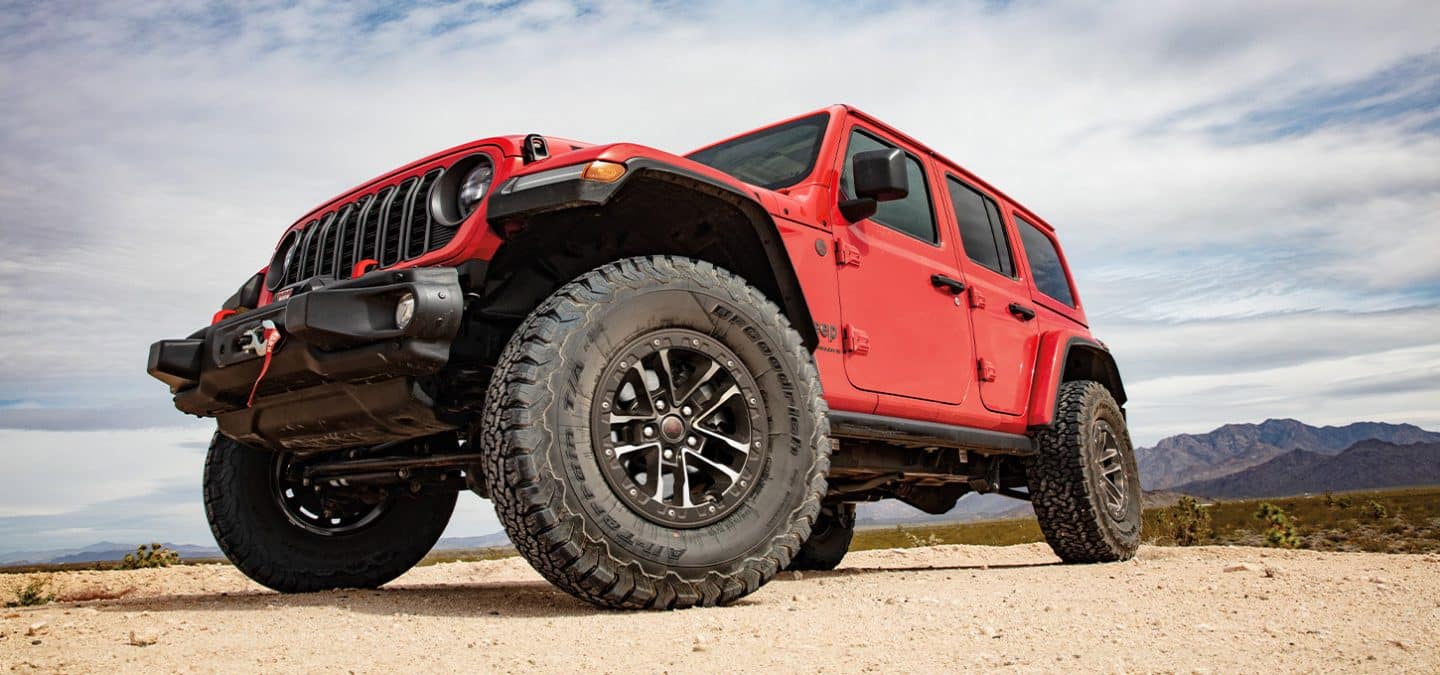
Choosing between the 2025 and 2026 Jeep Wrangler comes down to what you really need from your ride. Whether you're cruising Tulsa streets or tackling Oklahoma's back country, the Wrangler delivers that rare combination of daily usability and serious adventure capability. The 2026 model brings some thoughtful updates, but there's one big change that might seal the deal: Jeep's killing off the 4xe plug-in hybrid after 2025. Why the Jeep Wrangler Remains a Top Choice for Tulsa Drivers It's easy to see why the Wrangler clicks with Tulsa and Broken Arrow drivers. Oklahoma throws everything at you, from sudden storms to weekend trail runs on challenging terrain. This isn't just marketing speak about Trail Rated capability - owners actually use it. You'll see Wranglers everywhere from muddy hunting spots to construction zones downtown. The real magic is in its flexibility. Pull off the doors and drop the top when those perfect Oklahoma spring days hit, then button everything up when the weather turns. Beyond that basic versatility, there's a whole customization world that lets you make your Wrangler truly yours. The local Jeep community here is strong too, with regular trail rides and meetups happening all the time. When you're ready to explore available Wrangler models, we'll help you sort through all the options. What's Changed in the 2026 Jeep Wrangler Here's the big news: Jeep pulled the plug on the 4xe hybrid system for 2026. Stellantis is shifting their PHEV strategy across North America, which means 2025 is your last shot at getting a new Wrangler with plug-in hybrid tech. If that matters to you, the clock is ticking. The rest of the 2026 updates focus on making life better, not reinventing the wheel. The steering feels more planted and stable on highways - something previous owners definitely asked for. Door and top sealing got better attention, cutting down on wind noise during your daily drives. They also redesigned the door hinge system to make removal quicker and easier. Color-wise, 2026 brings fresh options including Reign, Tuscadero, and Earl Grey. Jeep's planning twelve monthly special editions starting with the Moab 392, each with unique touches and exclusive badges. Inside, you get the Uconnect 5 system with a 12.3-inch touchscreen, plus wireless Apple CarPlay and Android Auto. Safety tech like forward collision warning, automatic emergency braking, adaptive cruise, and blind-spot monitoring now comes standard across the board. Powertrain Options: Choosing the Right Engine Your engine choice makes a real difference in how your Wrangler feels and performs. The 2026 lineup keeps two solid gasoline options while dropping the hybrid entirely. 3.6L Pentastar V6 with New 8-Speed Automatic This naturally aspirated V6 puts out 285 horsepower and 260 lb-ft of torque, and it's proven reliable over the years. New for 2026, you can get an eight-speed automatic alongside the standard six-speed manual. The extra gears help with highway cruising and fuel efficiency. Two-door buyers who want an automatic will need to opt for the turbo four-cylinder instead, as the V6 comes exclusively with the manual in that configuration. No turbo complexity here - just straightforward, dependable power. Towing sits at 3,500 pounds for most four-door setups, which handles boat trailers and utility trailers without breaking a sweat. The V6's simplicity means fewer things to go wrong, and its track record gives you confidence on those long Oklahoma road trips. 2.0L Turbocharged Four-Cylinder The turbo four cranks out 270 horsepower and 295 lb-ft of torque through an eight-speed automatic. That low-end grunt makes city driving fun - quick acceleration and confident highway merging. It runs quieter than the V6 too, which you'll appreciate during Tulsa commutes. This setup balances power with efficiency better than the six-cylinder while keeping full Trail Rated credentials. It's perfect if you spend more time on pavement than dirt, though it won't leave you hanging when adventure calls. 4xe Plug-In Hybrid: Your Final Opportunity with 2025 The 4xe represents the biggest decision between these model years. Since Stellantis discontinued all North American PHEV production for 2026, you've got one last chance to grab this tech in a new Wrangler. The system pairs electric motors with a 2.0L turbo for serious versatility and instant torque. What's cool about the 4xe is how it actually improves off-road performance instead of compromising it. Electric motors give you incredible low-speed control on technical trails - precise throttle modulation when you're navigating tricky obstacles. City folks benefit from electric-only operation, potentially finishing entire commutes without burning any gas. If plug-in hybrid capability interests you for environmental or fuel-saving reasons, 2025 is it. Once current inventory runs out, this powertrain disappears from the Wrangler lineup forever. Off-Road Capability and Trim Lineup Trail Rated status carries through unchanged in both model years, so you're getting serious off-road capability no matter what. Electronic locking differentials, advanced 4WD systems, and aggressive tire options mean your Wrangler handles whatever Oklahoma throws at you - muddy creek crossings, rocky hills, you name it. The 2026 trim lineup includes Sport, Sport S, Willys, Willys '41, Sahara, Rubicon, and Rubicon X. Base Sport models deliver excellent value while keeping core Wrangler features intact. Mid-level Sahara and Rubicon trims pile on comfort and off-road gear as you move up. Sitting above the standard lineup is the limited-edition Moab 392, the first in Jeep's twelve-month special-edition series, bringing HEMI V8 power with 470 horsepower and 470 lb-ft of torque for exceptional performance both on trails and highways. Four-door Rubicon and Rubicon X models max out towing at 5,000 pounds, while two-doors handle 2,000 pounds. Performance, Interior Features, Towing, and Fuel Efficiency Compared The 2026 interior improvements are all about refinement. Better materials throughout create a more upscale feel while keeping that hose-out-the-floor practicality. The upgraded Uconnect 5 system responds faster and feels more intuitive. Enhanced driver assistance features add highway confidence without killing the connected, mechanical feel that enthusiasts love. Towing capacity stays strong across both model years at 3,500 pounds for most setups - enough for boat trailers, utility trailers, and small campers. Body-on-frame construction keeps everything stable even when loaded up. Front legroom hits 41.2 inches in four-doors, with maximum cargo space reaching 72.4 cubic feet. Gas models range from 16 to 23 mpg depending on your engine, transmission, and body style choices. The 4xe that was available in 2025 offered the best efficiency through electric-only operation, making its discontinuation a real loss for fuel-conscious buyers. Traditional gas engines benefit from refined tuning in both years, though you won't see dramatic efficiency gains given the Wrangler's rugged design priorities. Who Should Upgrade? A Guide for Owners and First-Time Buyers Current Wrangler Owners If your Wrangler pulls daily duty for commuting or family hauling, the 2026 interior refinements and better steering offer real benefits. Improved materials, upgraded tech, and reduced noise make the 2026 noticeably more civilized for regular use. But if your Wrangler mainly handles weekend adventures and you're happy with its capabilities, the core off-road performance stays basically identical. These improvements focus on daily comfort rather than trail capability, so waiting for bigger changes might make sense. The 4xe discontinuation hits hardest for owners considering hybrid tech. If you've been curious about plug-in capability, 2025 represents your final shot at a new Wrangler with this setup. Once inventory clears out, this option vanishes completely. First-Time Wrangler Buyers First-timers should think carefully about actual usage patterns. Those with shorter commutes who want hybrid efficiency need to move fast on the remaining 2025 4xe inventory. Buyers focused on traditional gas power get the latest refinements with improved tech and comfort in the 2026 model. Test drives reveal personal preferences that numbers on paper can't capture. The turbo four balances power and efficiency nicely, while the V6 with its new eight-speed provides smooth cruising. Visiting us at Chris Nikel CDJR lets you try all configurations firsthand and figure out what works for your specific needs. Test Drive the Latest Jeep Wrangler at Chris Nikel CDJR in Tulsa Compare 2025 and 2026 Wranglers Side by Side The only real way to understand which Wrangler fits involves getting behind the wheel. We keep an extensive inventory of both 2025 and 2026 models at our Broken Arrow location, so you can compare them directly. This hands-on comparison reveals subtle differences that spec sheets miss - improved materials quality, refined driving dynamics, stuff like that. Our Chris Nikel team brings over 50 years of automotive experience serving Tulsa and surrounding areas. We'll walk you through financing options, explain trim differences, and make sure you understand exactly what you're getting. Whether you want remaining 2025 4xe inventory or the refined 2026 models, we provide straight answers without the pressure. We handle more than just new vehicle sales. Our comprehensive service capabilities mean your Wrangler gets expert care throughout ownership. Our Mopar parts department stocks genuine OEM components, while our Collision Center handles everything from minor dings to major repairs. Schedule Your Test Drive at Our Broken Arrow Location Schedule a test drive to feel how these model years differ and figure out which suits your driving needs. Contact our team at 539-766-8990 or visit us at 2920 N Aspen Ave in Broken Arrow. We're open Monday through Friday 9 AM to 9 PM and Saturday 9 AM to 7 PM. Let us help you pick the right Wrangler for your Oklahoma adventures.

2026 Jeep Grand Cherokee

2026 Jeep Grand Cherokee vs. 2026 Toyota Highlander: Tulsa Families Choose Their Ultimate SUV

Shopping for a midsize SUV that handles everything from school runs to weekend lake trips? The 2026 Jeep Grand Cherokee vs. Toyota Highlander debate dominates conversations among Oklahoma families for good reason. Both deliver strong credentials, but they approach the mission with completely different philosophies. The Grand Cherokee brings legendary capability and serious towing muscle to the table. Meanwhile, the Highlander counters with impressive fuel economy and family-focused practicality. Let's break down which SUV deserves a spot in your driveway. 2026 Jeep Grand Cherokee vs. Toyota Highlander: Quick Specs Comparison Understanding what each SUV actually delivers starts with the numbers. The Jeep dives headfirst into its rugged heritage with capability-focused engineering. The Toyota prioritizes family-friendly practicality and efficiency. Feature 2026 Jeep Grand Cherokee 2026 Toyota Highlander Engine 3.6L V6, 293 hp 2.5L hybrid, 240 hp Seating capacity 5 seats (2-row); 7 seats available in Grand Cherokee L (3-row) 7 seats Towing capacity Up to 6,200 lbs Up to 5,000 lbs Ground clearance Up to 11.0 inches (with available off-road setup) Approximately 8.0 inches Fuel economy (city/hwy) 19/26 MPG (EPA-estimated) 22/29 MPG (EPA-estimated) Safety features Over 110 standard and available safety/security features incl. night vision and 360° camera Includes Secondary Collision Brake and family-focused safety tech Cargo space (max) 70.8 cu ft (≈ 2,005 L) max in 2-row Grand Cherokee; 84.6 cu ft (≈ 2,395 L) max in 3-row Grand Cherokee L Up to 2,761 L maximum cargo volume (with rear seats folded) Drive type 4WD or AWD available, off-road capable FWD or AWD available, tuned for on-road comfort Both offer multiple trim levels that let you dial in exactly what matters most. Pricing starts competitively for both, though the Grand Cherokee often edges slightly lower at the base level. The Highlander typically bundles more standard features into its entry trim, which can shift the value equation depending on your priorities. Performance and Capability: Built for Oklahoma Adventures Powertrain Options and Engine Performance The Grand Cherokee compared to Highlander reveals a clear performance advantage for Jeep. The Grand Cherokee's 3.6L V6 delivers 293 horsepower, providing confident acceleration whether you're merging onto the Creek Turnpike or passing slower traffic. That 53-horsepower advantage over the Highlander's 240-hp hybrid translates to noticeably stronger performance when you need it. Toyota's hybrid approach prioritizes efficiency over muscle. The Highlander provides adequate acceleration for daily driving but lacks the Grand Cherokee's raw power. Both feature advanced transmissions that smooth out power delivery, they're just tuned for completely different driving personalities. Towing Capacity for Boats, Trailers, and Weekend Getaways Here's where the Jeep vs Toyota SUV comparison diverges dramatically. The Grand Cherokee's 6,200-lb towing capacity absolutely dominates the Highlander's 5,000-lb rating. For Oklahoma families hauling boats to Grand Lake or pulling campers to Beavers Bend State Park, that extra 1,200 pounds matters significantly. The Highlander handles lighter towing duties adequately. Weekend trips with a small utility trailer won't stress it. But families with serious hauling needs will quickly bump against the Highlander's limitations. The Grand Cherokee's robust frame and powerful engine options let you load up without worrying about performance degradation. Off-Road Readiness and All-Weather Capability The Grand Cherokee's 11 inches of ground clearance versus the Highlander's approximate 8 inches makes a tangible difference on unpaved roads. Jeep builds the Grand Cherokee with legitimate off-road credentials, including advanced four-wheel-drive systems and terrain management modes. Whether you're navigating muddy ranch roads or tackling rough terrain, the Jeep's capability shines. Toyota focuses on all-weather competence rather than hardcore off-roading. The Highlander's available all-wheel drive handles rain, snow, and maintained gravel roads confidently. It's engineered for adverse conditions on established roads, not serious trail running. For families who venture beyond pavement regularly, the Grand Cherokee's advantage becomes obvious. Interior Space and Family Comfort Face-Off Seating and Passenger Accommodations The standard two-row Grand Cherokee seats five, while the three-row Grand Cherokee L accommodates seven like the standard Highlander. The Highlander typically offers slightly more overall passenger space, particularly beneficial for taller families or growing teenagers. Three adults can sit comfortably in the second row during longer drives. The Grand Cherokee counters with premium materials and upscale finishes. The cabin feels more luxurious, with attention to detail that elevates every drive. Thoughtful touches like strategically placed charging ports and accessible climate controls keep everyone comfortable. Third-row access differs significantly. The Highlander makes getting to the back seats easier, important when loading kids and car seats multiple times daily. The Grand Cherokee L's third row works better for occasional use or smaller passengers. Both fold flat when you need maximum cargo space. Cargo Versatility and Storage Solutions The Highlander's maximum cargo capacity (2,761 liters with all seats folded) exceeds both the standard Grand Cherokee (2,005 liters) and Grand Cherokee L (2,395 liters). But raw numbers don't tell the whole story. Both SUVs handle typical Costco runs and weekend camping gear, though the Highlander's smart storage compartments and flexible seating configurations make daily organization easier. The Grand Cherokee counters with a more sophisticated power liftgate and available hands-free operation on upper trims. Families juggling groceries and kids will appreciate either approach, depending on whether maximum volume or premium operation matters more. Technology and Safety Systems Compared Infotainment and Connectivity Features Modern families live connected, and both SUVs deliver capable systems. Jeep typically offers larger touchscreen displays and more premium audio options on comparable trims. The system looks sharp and sounds impressive, with crisp graphics and responsive controls. Toyota emphasizes intuitive operation. The Highlander's interface feels immediately familiar, with logical menu structures that don't require pulling over to figure out. Both support Apple CarPlay and Android Auto, keeping smartphones integrated seamlessly. Multiple USB ports throughout the cabin mean everyone's devices stay charged during longer trips. Voice controls work reliably in both vehicles. Navigation systems guide you confidently through construction zones or unfamiliar roads, while various entertainment options keep passengers occupied. Advanced Safety and Driver Assistance The Grand Cherokee offers over 110 standard and available safety and security features, including advanced options like night vision and a 360-degree camera system on upper trims. These technologies boost driver confidence when navigating tight parking lots or backing out of crowded driveways. The Highlander includes Secondary Collision Brake technology and bundles more standard driver assistance features across its lineup. Adaptive cruise control, lane-keeping assist, and automatic emergency braking come standard on more trim levels. Both manufacturers take safety seriously, with strong IIHS testing results, they just package features differently across their model ranges. Fuel Economy and Ownership Costs Here's where the Highlander pulls ahead decisively. Toyota's hybrid engineering delivers EPA-estimated ratings of 22/29 MPG (city/highway) compared to the Grand Cherokee's 19/26 MPG. For families commuting from Broken Arrow to downtown Tulsa daily, those savings add up quickly. Lower fuel costs over years of ownership can offset a higher initial purchase price. The Grand Cherokee trades some efficiency for performance and capability. You'll visit gas stations more frequently, but many drivers consider that a fair exchange for the power and towing capacity. Calculate your typical driving patterns and fuel costs to see which approach fits your budget better. Both vehicles maintain their value reasonably well in the resale market. Trim Levels and Pricing: Finding Your Perfect Match Both manufacturers offer multiple trim levels with different feature sets. Base models deliver solid value, though they emphasize different priorities. The Grand Cherokee often starts slightly lower but can climb quickly with options. The Highlander bundles more into base trims, potentially offering better initial value. Mid-range trims typically hit the sweet spot for most families, delivering key features without stretching into luxury territory. Compare trim levels carefully because names don't align directly between brands. What Jeep considers mid-level might correspond to a completely different Toyota tier. Top trims from both manufacturers deliver genuine luxury with premium leather, advanced audio systems, and comprehensive tech packages. Decide which features genuinely enhance your daily life versus those that just sound impressive. The Verdict: Which SUV Fits Your Tulsa Lifestyle? The Jeep Grand Cherokee vs Toyota Highlander decision ultimately reflects your priorities. Choose the Grand Cherokee if you value performance, towing capacity, and off-road capability. It's built for families who actually use their SUV's adventure credentials. The 6,200-lb towing capacity, 293-horsepower V6, and 11 inches of ground clearance make real differences when hauling boats or navigating rough terrain. The Highlander wins if fuel economy, third-row seating, and maximum cargo space top your list. It excels at the school-sports-errands routine that defines family life, and the hybrid option appeals to environmentally conscious drivers watching fuel budgets. For Oklahoma families who regularly venture beyond pavement, tow recreational equipment, or simply want the confidence that comes with genuine capability, the Grand Cherokee's engineering advantages make it the stronger choice. Test Drive Both SUVs at Chris Nikel CJDR Fiat in Tulsa Reading comparisons helps narrow your choices, but nothing beats experiencing both SUVs yourself. Chris Nikel CJDR Fiat serves Tulsa and Broken Arrow with a straightforward, no-pressure approach that's earned trust since 1973. Our team understands Oklahoma families need SUVs that perform in real-world conditions, not just showroom floors. Schedule test drives with us to experience the differences firsthand. Browse our current Grand Cherokee inventory to see available colors, trims, and features. Bring your family along to check seating comfort. Load your typical cargo to test practicality. Drive your actual commute route to feel how each SUV handles your daily reality. Our experienced staff can walk you through trim options, financing solutions, and customization possibilities. Contact us today to schedule your test drive at 2920 N Aspen Ave, Broken Arrow, OK 74012, or call 539-766-8990. Our full-service facility and well-stocked parts department mean our relationship continues long after purchase, ensuring your chosen SUV stays adventure-ready for years ahead.