



Chris Nikel Chrysler Jeep Dodge Ram Fiat

Blog / Service Tips

What Oil Should I Use in My Jeep Wrangler In Tulsa, Oklahoma?

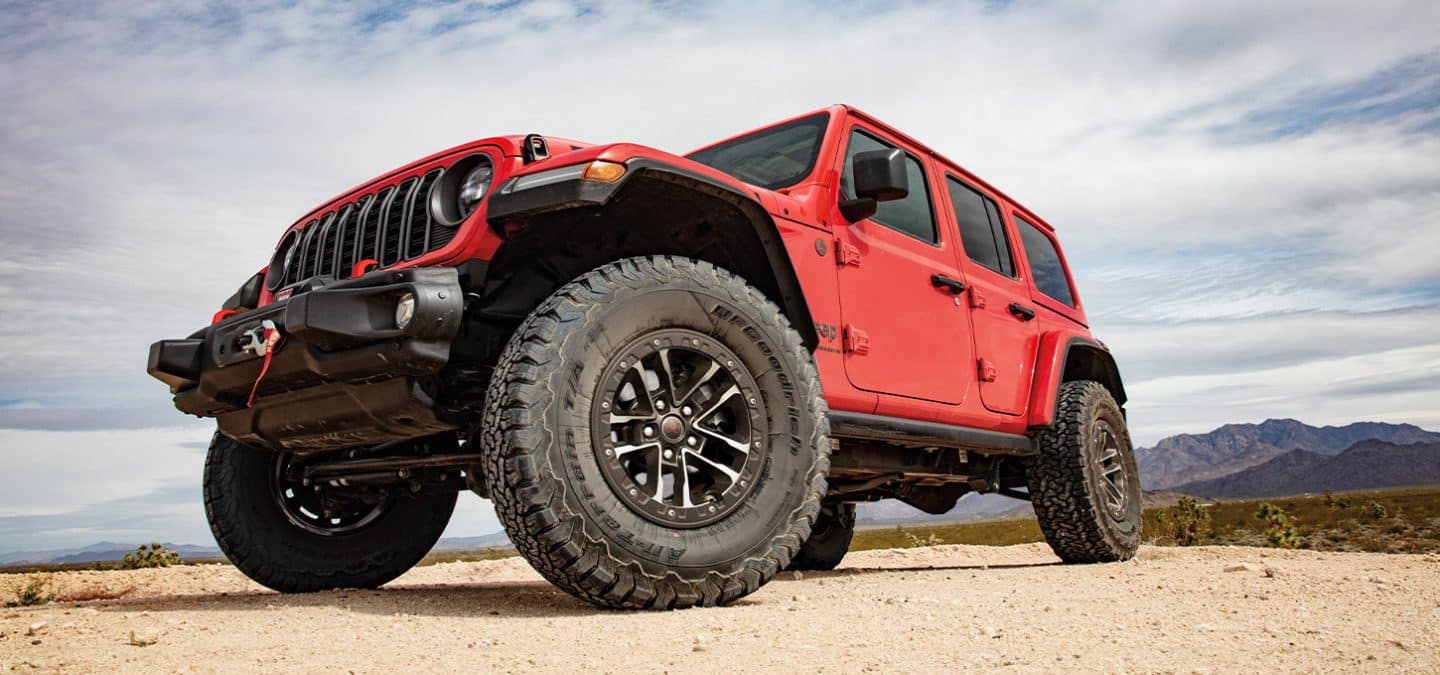
2025 Jeep Wrangler

Choosing the right oil for your Jeep Wrangler goes far beyond buying whatever's on sale. Tulsa's weather ranges from scorching summers to sudden freezes, and it can impact your engine over time. Our Chris Nikel Chrysler Jeep Dodge Ram FIAT team has compiled this guide to explain the various Jeep Wrangler oil types so your Jeep can continue to conquer both Oklahoma trails and your daily commutes.

Conventional vs. Synthetic Oil: What's Best for Tulsa's Climate?

For Tulsa Wrangler owners, choosing between conventional and synthetic oil isn't only about price. When temperatures drop, oil thickens and its flow becomes sluggish; cold engine starts when it's below freezing can increase engine wear. Synthetic oil flows more efficiently than conventional oil when it's below freezing, allowing it to reach engine parts faster. Our Oklahoma heat waves can also cause oil oxidation, the rate of which doubles with every 18-degree increase in temperature.

Tulsa's humidity is also rough on your engine; high humidity allows water to seep into your oil system, and that moisture triggers an oxidation process, creating acids that eat away at metal surfaces. This moisture problem makes synthetic oil worth every extra penny for Oklahoma drivers. Synthetic oils typically last longer than conventional options and provide better long-term protection, even though they cost more.

The best oil for a Jeep Wrangler depends on its engine configuration. If you have a newer 3.6L V-6 engine, you'll need 0W-20 oil; however, older engines may require a different viscosity. The 2.0L Turbo I-4 and the 3.0L EcoDiesel both use 5W-40 oil, while the 2.0L Turbo Hybrid 4xe needs 5W-30. The 6.4L Hemi V-8 requires 0W-40 oil. Each of these recommendations is tailored to the engine design, and you can find all the details in your owner's manual.

Conventional oils may last two to five years on the shelf, but synthetic formulas often remain stable for up to five years due to their more refined molecular structure. Using synthetic oil can be smart money management, especially if you use your Wrangler for commuting on Interstate 44 or do a lot of off-roading on Oklahoma back roads.

Jeep Wrangler Oil Change and Maintenance Schedule

Modern Wranglers, such as the models in our new Jeep inventory, feature Oil Life Monitoring Systems that determine when your oil needs to be changed, rather than relying on outdated schedules. Your Jeep's sensors constantly monitor the oil level, quality, driving speed, engine temperature, and outside conditions, such as the temperature and humidity in Tulsa. Your Wrangler model and engine determine precisely when to change the oil.

Several factors can significantly affect recommended oil change intervals, especially if you use your Wrangler for off-road enjoyment. Taking your Jeep off-road can significantly shorten your oil change intervals. Even moderate trail driving introduces oil contaminants and adds engine heat and strain, and frequent towing is a contributing factor as well. Short trips are also hard on your oil because they prevent the engine from reaching its ideal operating temperature. You can expect oil to degrade more quickly than it did previously once your Jeep reaches the 100,000-mile mark, but there's high-mileage oil available for those vehicles.

Your engine oil does more than just lubricate moving parts — it sweeps away dirt, metal particles, and various types of buildup, carrying them to the filter while enhancing performance, improving fuel efficiency, and extending the life of your engine. However, over time, even the best oil thickens, becomes sludgy, and loses its effectiveness.

Watch for warning signs that indicate your Wrangler needs an oil change: knocking sounds from your engine, an illuminated oil pressure light, oil that looks dark or feels gritty between your fingers, a burning smell when you open the hood, or suddenly poor gas mileage. Don't postpone an oil change if you notice any of these signs, and ensure the oil filter is changed as well. If you get into the habit of checking your oil monthly, you'll catch potential problems early.

Schedule Your Jeep's Oil Change In Tulsa, Oklahoma, Today

Our Chris Nikel Chrysler Jeep Dodge Ram FIAT service specialists are Jeep enthusiasts who genuinely understand the unique needs of Wranglers in our local climate. You can book your oil change online or visit us at the dealership to explore the new Jeeps on our lot. There's no need to wait until you hear engine noises or see your check engine light illuminate; please contact us with any questions or concerns you may have. Our knowledgeable team is ready to help you with Jeep Wrangler oil recommendations or introduce you to the whole Jeep lineup.
Posted in:

Related Posts

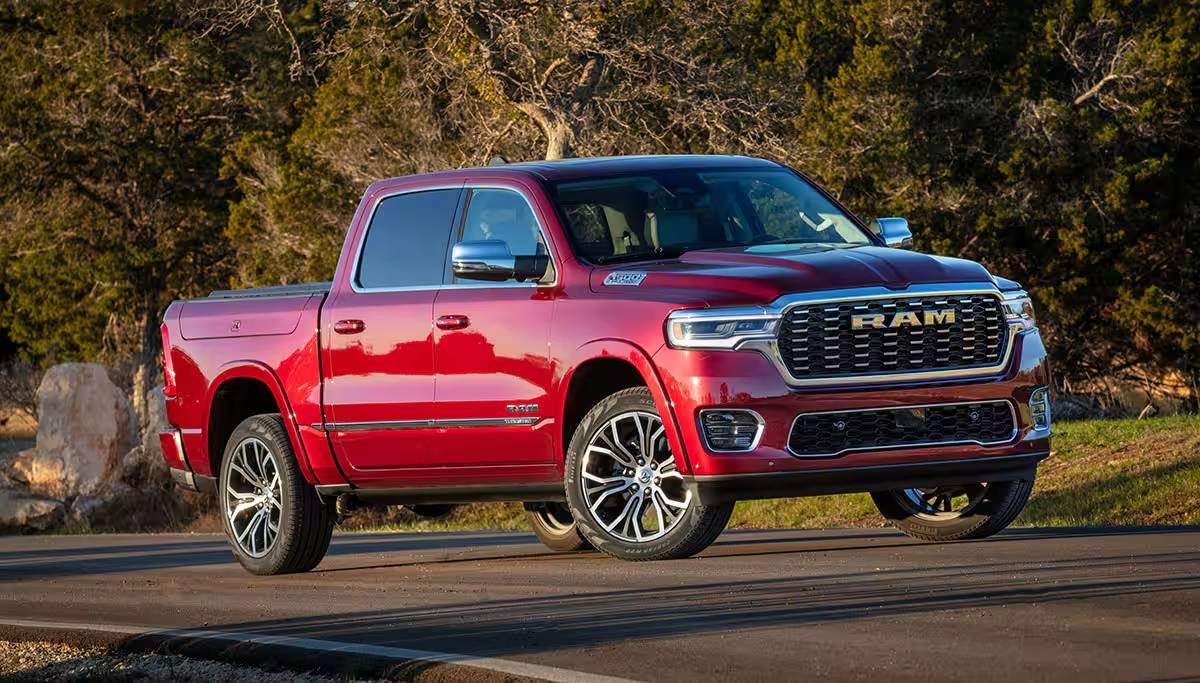
2025 Ram 1500

What Oil Should I Use in My Ram 1500 in Tulsa, Oklahoma?

Picking the perfect oil for your Ram 1500 isn't as simple as you might think — especially here in Oklahoma, where the weather can be wildly unpredictable. Since Broken Arrow and the wider Tulsa area can swing between blistering 100-degree summer days and bone-chilling winter mornings, your truck's engine needs versatile oil that can handle it all. Climate isn't the only consideration, either. Each Ram 1500 engine has its own specific oil preference, and using the wrong type could lead to sluggish performance, worse gas mileage, or even potential engine damage. The Importance of Oil Changes for Your Ram 1500 Oil provides essential lubrication and protection for your engine. Since it degrades and evaporates over time, regular oil changes are crucial for maintaining your Ram 1500's optimal performance and ensuring engine longevity. The difference between a truck that easily lasts over 150,000 miles versus one that starts experiencing chronic problems around 80,000 miles often comes down to nothing more than consistent, proper maintenance from skilled professionals. Oil changes are also a great way to stay ahead of potential car problems. Experienced technicians don't just drain the old sludge and replace it with fresh oil. They also thoroughly inspect filters, carefully check gaskets for wear, look for potential leaks, examine belts and hoses, and do an overall vehicle health check to catch any small issues before they transform into major problems. Oil Considerations for Tulsa's Climate Tulsa's wild weather wreaks absolute havoc on engine oil. Scorching hot summer days thin out oil until it's closer to the consistency of water, which reduces that lubricating, protective film between your engine's metal parts. Winter brings the complete opposite problem — frigid Oklahoma mornings can turn your oil so thick that it moves like molasses. As a result, your engine might struggle to circulate properly during startup, when it most desperately needs the slick protection of oil. Summer weather can also bring a few more issues. Heat speeds up oxidation, and humidity can introduce moisture — both of which can degrade or contaminate engine oil, weakening its performance. Oil also evaporates more quickly in high temperatures, which reduces the total volume and causes nasty sludge buildup that leaves parts running dry and can gum up your engine. Recommended Oil Change Schedule So, you know it's important to change your Ram 1500's oil regularly, but what does that actually mean? Each model is different. For example, Ram trucks with Pentastar engines typically require oil changes every 7,500 to 10,000 miles, while EcoDiesel engines usually need oil changes every 10,000 miles or 12 months. The Ram TRX needs even more frequent oil changes, between every 4,000 and 6,000 miles. Check your owner's manual to confirm Ram's recommendations for your specific model. Driving habits also play a role. The above recommendations are based on typical daily driving, but if you regularly use your Ram 1500 for towing, hauling, or off-roading, you may need more frequent oil changes. A gasoline-powered Ram may require an oil change at 5,000 miles if used for light towing, or even 3,000 miles if it's been hauling heavy loads. If you notice any of the following warning signs, it may be time for an oil change: Dark, dirty oil Unusual noises (knocking, ticking) Overheated engine Sluggish engine performance Decreased fuel economy The good news is that every Ram 1500 is equipped with an oil life monitor, an advanced system that tracks factors such as engine temperature and oil quality. It even takes into consideration your driving habits, terrain, and the weather to determine the optimal change interval for your truck. When the monitor determines that it's time for an oil change, you'll see an indicator light on your dashboard. Recommended Ram 1500 Oil Types Trucks are a substantial investment, and using the correct oil for your specific Ram 1500 engine makes a real difference in the truck's performance and longevity. Whether you drive a truck with the reliable 3.6L V6 Pentastar, the powerful 5.7L HEMI, or the fuel-efficient EcoDiesel engine, proper oil selection literally protects it from Oklahoma's harsh conditions. Here are the manufacturer-recommended Ram 1500 oil types, broken down by engine: 3.6L V6 Pentastar: SAE 0W-20 full synthetic oil 5.7L V8 HEMI: SAE 5W-20 full synthetic oil EcoDiesel V6: SAE 5W-40 synthetic blend or full synthetic oil 6.2L V8 HEMI: SAE 0W-40 full synthetic oil Not only is synthetic oil manufacturer-recommended, but it's also ideal for Oklahoma's punishing climate. Research shows that full synthetic keeps pistons up to 40% cleaner than industry standards require, which keeps your engine healthier for longer and can stretch the intervals between oil changes. Synthetic oil is also more stable than conventional oil, breaking down more slowly and better tolerating temperature extremes. Regardless of which Ram 1500 model you drive, Ram recommends using Mopar oil, which is formulated for your truck's exact engine tolerances, seal materials, and operating conditions. Using this oil protects your factory warranty and provides the best engine protection. At Chris Nikel Chrysler Jeep Dodge Ram Fiat, our parts center stocks factory-approved products, such as Mopar and all other specialty fluids your Ram 1500 requires. The next time you need an oil change, visit us — we'll match your truck's exact requirements without any guesswork. Get Professional Ram 1500 Service in Tulsa Schedule an oil change with Chris Nikel Chrysler Jeep Dodge Ram Fiat today, and let us prepare your Ram for the extreme weather Oklahoma may throw your way next. Our trained technicians know Ram 1500 trucks inside and out and understand how they perform in Tulsa's challenging climate. We perform everything from basic maintenance to complex engine repairs, so we're a one-stop shop if you need services such as brake or transmission work in addition to an oil change. Don't gamble with your truck's future — let us help keep your Ram 1500 in tip-top shape.

Warning Lights

Jeep Dashboard Warning Lights: What Tulsa Drivers Need To Know

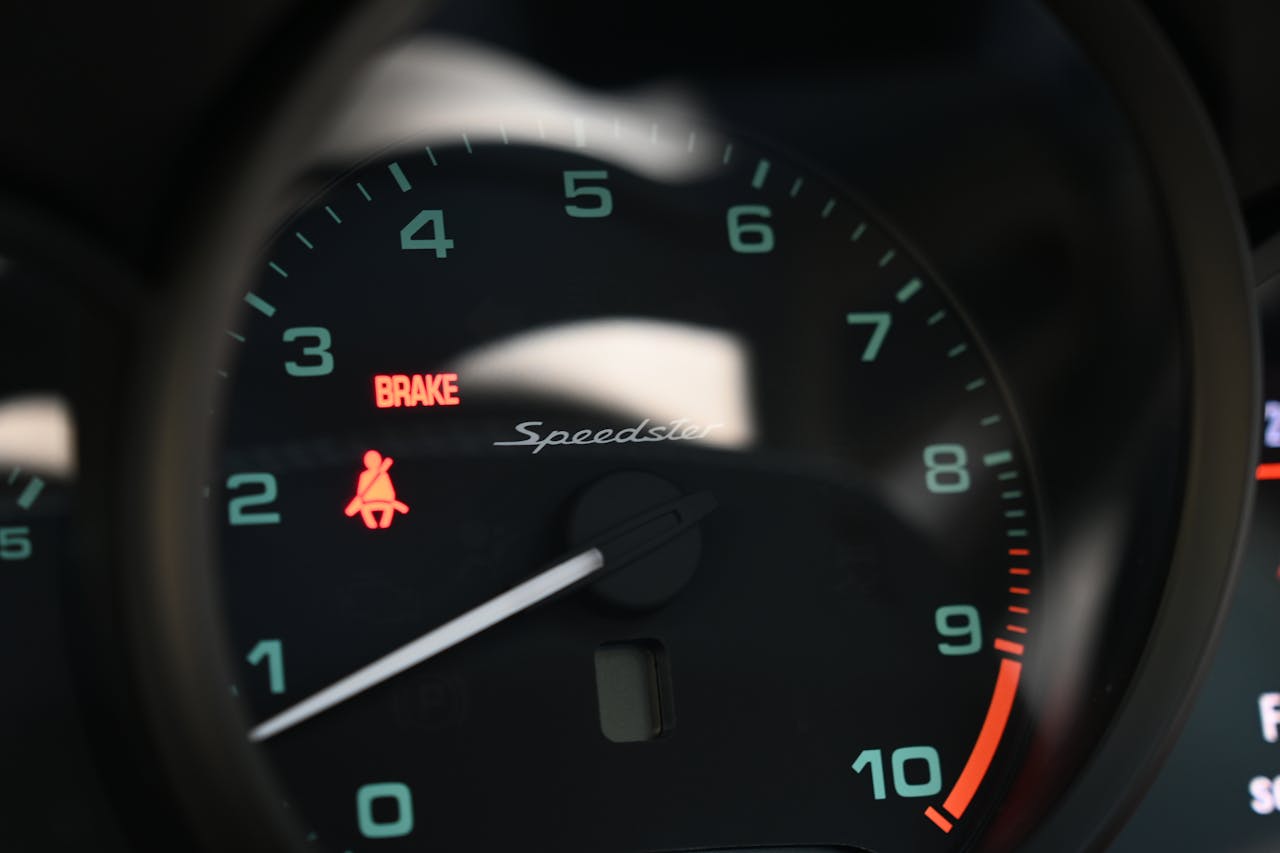
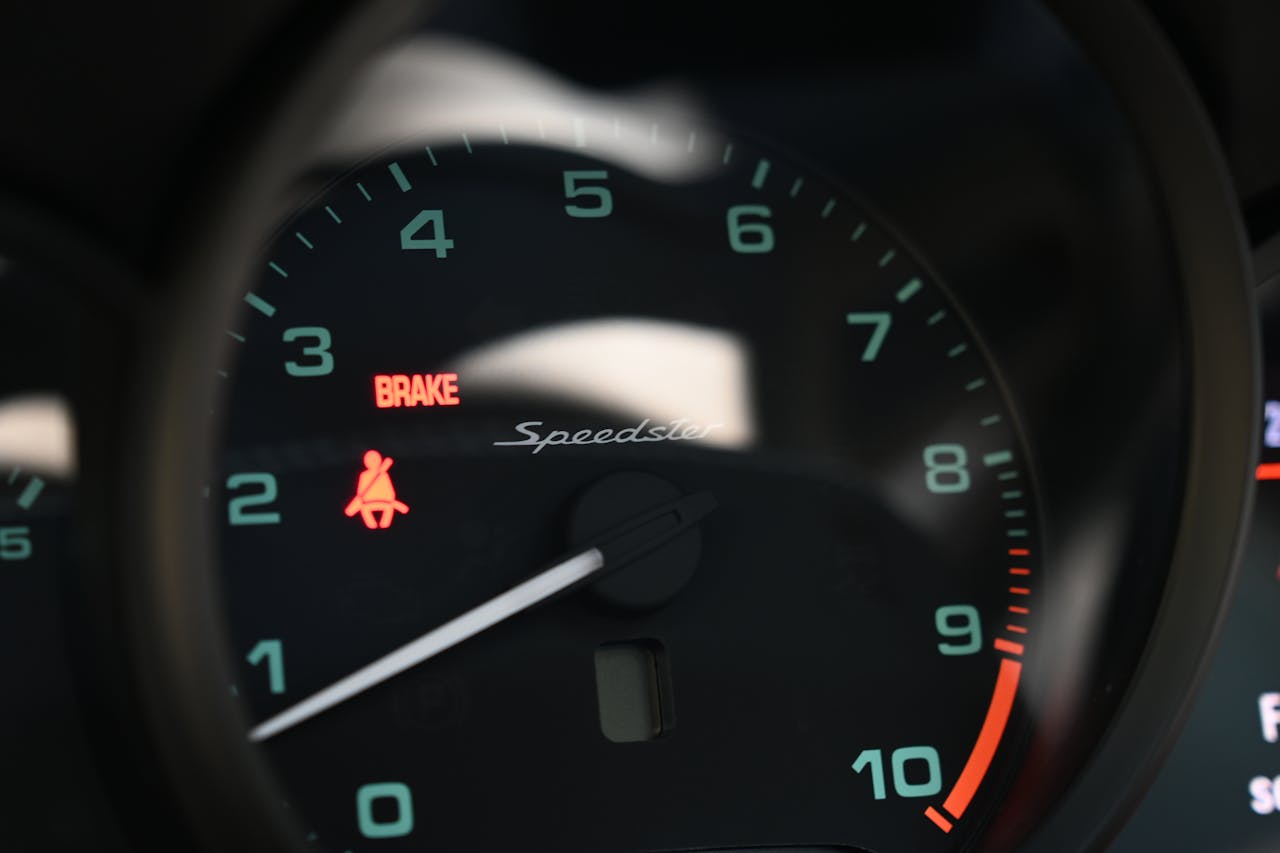
Image by Luke Jen is licensed with Pexels License Dashboard warning lights are your Jeep's way of alerting you to potential issues before they become dangerous situations. These small indicators play a huge role in keeping your vehicle running safely and smoothly, and ignoring them can lead to costly breakdowns and unsafe driving conditions. If you're a Jeep driver, it's crucial you understand Jeep dashboard symbols and meanings and know how to respond to them. Check-Engine Light Your Jeep will warn you about any engine problems with the words "Check Engine," an image of an engine, or both. If this symbol turns on and remains steady, check the engine soon. If the light is flashing, it's advisable to pull over and check immediately, as this could indicate the need for urgent attention. Common reasons this warning light might appear include a loose gas cap, faulty oxygen sensors, worn-out ignition coils and spark plugs, or problems with the mass airflow sensor. Oil Pressure Warning If the little oilcan symbol lights up, stop driving and check your oil levels. This warning light signifies low oil pressure, which should be addressed promptly to avoid severe engine damage. Common causes of low oil pressure include oil pump failure, blocked passages, or clogged pick-up screens. Weak pressure-relief valves or degraded oil can also trigger this warning. When this light comes on, pull over safely, shut off your engine, and check your oil levels. If they seem correct, but the symbol is still on, don't restart the engine, as you may have internal problems that need the help of a professional. Brake Warning The brake warning shows as the word "BRAKE" or a circle with an exclamation mark. If this lights up, it could signify low fluid levels, worn brake pads, system problems, or an engaged parking brake. If you're sure that neither the handbrake nor the emergency brake has been engaged, bring your vehicle to a stop as soon as possible and call for help. Be careful not to confuse the anti-lock braking system (ABS) light with the brake warning light, as they both have completely separate functions. The ABS light signals a problem with wheel-speed sensors, fluid levels, modules, or fuses. Never ignore brake warnings, especially during Tulsa's bad weather and storms. Airbag Warning The seated figure with a circle in front is the airbag symbol. If this symbol lights up, your safety system could be compromised, and your vehicle should be checked immediately. Reasons the airbag warning light might be activated include sensor problems, damaged wires, or control module issues. Never attempt to modify these systems yourself, as any mistakes can seriously damage your vehicle, trigger deployment, or lead to deployment failure in the event of a crash, potentially putting lives at risk. Drive carefully until you can get it fixed, knowing your safety backup is impaired. Battery Warning The battery symbol signifies a problem with the charging system. Your Jeep's charging setup includes the alternator, battery, drive belts, and wiring. Reasons this warning symbol might light up include alternator failure, loose connections, worn belts, a failing battery, or wiring problems. If you need to continue driving before getting your battery checked, turn off the air conditioning, radio, and lights if possible to stretch the battery life. Don't delay in getting help, as charging issues can worsen quickly. Tire Pressure Monitoring System Indicator The tire pressure system light resembles an exclamation mark inside a horseshoe shape. If this light is flashing yellow, it indicates underinflation. If the light remains on after adjusting tire pressure to the recommended levels, it may indicate a problem with the sensors and should be checked by a professional mechanic. Oklahoma's changing temperatures can affect tire pressure, so it's always a good idea to check your tires at the start of each season. Proper maintenance saves money and improves safety. Engine Temperature Indicator The icon resembling a thermometer warns you that the engine is overheating and shouldn't be ignored. Reasons this might happen include low coolant levels, leaks, bad water pumps, damaged belts, radiator issues, low oil levels, or a stuck thermostat. Also look out for other signs, such as hood steam, a sweet coolant smell, burning rubber, and power loss. You may see multiple warning lights glowing at once. If this warning sign appears, pull over safely, turn off the engine, and wait 15 to 30 minutes before opening the hood. Check the overflow tank after cooling (never remove the radiator cap while hot). If the coolant is low, add to the overflow (your owner's manual should provide instructions for this), and then have everything checked as soon as possible. Loose Gas Cap Warning The loose gas cap warning shows as "GAS CAP" or an icon resembling a gas cap. A loose, damaged, or missing cap can affect emissions control and trigger the check-engine light. If this light turns on, try completely removing the gas cap and replacing it until you hear a click. If the gas cap light doesn't go off, it can be reset manually. If this warning sign turns on again even though the cap is secure, seek professional help. Electric Throttle Control Warning The electric throttle control (ETC) warning appears as a lightning bolt or "ETC" symbol. If this warning sign lights up, it could mean throttle body issues, pedal position sensor failures, wiring problems, or computer glitches. You may also notice a change in throttle response, acceleration hesitation, reduced gas mileage, limited power, rough idling, or unpredictable drivability. ETC problems need professional help, as this system is composed of complex electronics with multiple sensors and computers. Headlight Indicators Headlight symbols include regular headlights, high beams (usually blue), and low beams. These symbols turn on when a particular light is in use and are there to inform rather than warn you. If these lights stay on when the light isn't being used, there may be a glitch in the system, and it's best to have them checked. Turn Signal Indicators Normal turn signal indicators are symbolized with green arrows that blink steadily. Super-fast flashing could mean a burned-out bulb, while jumpy blinking suggests worn switches or wiring problems. Common problems include total failure (no indicators, clicking, or lights), hazard glitches, and electrical interference. You can check bulbs and fuses for damage yourself, but problems with relays, switches, or wiring need professional help. Signals are legally required for safety on busy Tulsa roads, so it's best not to ignore any issues. Stay Alert and Keep Your Jeep Road-Ready Understanding your Jeep's warning lights keeps your family safe on Oklahoma roads and can help you avoid expensive repairs. Regular maintenance is the best way to avoid warning lights, so be sure to check fluids, maintain tire pressure, and schedule regular service. For warning light diagnosis and Jeep service in Tulsa, visit us at Chris Nikel Chrysler Jeep Dodge Ram FIAT. Our skilled technicians can quickly resolve any issues and get you back on the road safely.

Warning Lights

RAM Truck Warning Lights Explained for Tulsa Area Drivers

Image by Luke Jen is licensed with Pexels License Those lights on your Ram truck dashboard aren't random — they're messages about potential problems that could turn into costly repairs or unsafe situations if you ignore them. Around Tulsa and Broken Arrow, knowing what these signals mean might save you from being stuck on I-44 during a wild Oklahoma storm. In this guide, we explain Ram truck warning lights for Tulsa, Oklahoma, area drivers. Brake Warning Lights One of the most important Dodge RAM dashboard symbols to heed is the brake warning, which usually looks like an exclamation point in parentheses or the word "BRAKE." If you see one of these symbols, pull over safely. This light illuminates when your parking brake is engaged, so first, check to make sure it's off. If you've ruled out the parking brake and the warning light is still on, it could mean you have: Low brake fluid Worn brake pads Hydraulic issues Brake system failure These can be serious issues that prevent your truck from stopping safely, so have your truck towed and checked immediately. Don't gamble with unpredictable braking or an inability to stop when you're driving around Broken Arrow. ABS Light If you see the letters "ABS" in a circle on your dashboard, it indicates an issue specifically with your antilock braking system. The ABS prevents your wheels from locking up during hard braking, providing better steering control and preventing skidding. This means it's important to pay attention to the ABS light sooner rather than later, especially if there's a chance of inclement weather — you definitely don't want to drive on slick, rainy roads when the ABS isn't functioning properly. The ABS light may come on for a few reasons, including: Low brake fluid Incorrect tire pressure (which affects the wheel speed sensors) Damaged wiring Malfunctioning ABS control module Since your regular brakes still work, you can drive with this light on, but do so carefully, and keep extra distance from other cars. Take your truck to get checked out as soon as possible. This ensures you've got full braking protection for Oklahoma's unpredictable driving conditions. Battery Warning Light A lit-up battery symbol warns you about any issues with your truck's charging system, including the battery. Common causes include: Failing alternator: This is what powers the electrical system, so you'll likely also notice dim lights, slow cranking, or other electrical issues. Corroded battery cables or faulty wiring: Damaged, loose, or corroded wires can disrupt the flow of electricity from the alternator to the battery, resulting in power loss. Weak batteries: These typically last three to five years, though extreme temperatures can accelerate their aging. When this light appears, get your truck serviced quickly. Even if you can continue driving, you risk complete electrical failure or further damaging other electrical system components. Check Engine Light The check engine light is one of the most common Dodge RAM warning symbols owners encounter. Depending on your model, you may see either a symbol with the outline of an engine or text that says "Check Engine." It could mean anything from simply a loose gas cap (if you tighten it and continue driving, the light should turn off) to serious engine trouble. If the light is steadily illuminated, it's not an emergency, but you should have your truck checked out soon. If the check engine light is flashing, stop immediately, or you risk unsafe emissions levels, misfires that can destroy catalytic converters, and more severe engine damage. Electronic Throttle Control Light If you see a lightning bolt symbol near a throttle outline, your electronic throttle system has problems. Modern trucks use this instead of cable throttles, so faulty throttle or pedal sensors or any other issue with the system can cause this warning to appear. You'll probably also notice that your truck goes into "limp mode," with limited power, unresponsive gas pedals, or the engine revving by itself. Since the electronic throttle system controls acceleration, your truck could fail without warning. Pull over safely, shut off the engine, and have your RAM towed to a qualified shop. Temperature Warning Light An illuminated thermometer icon is another warning you should take very seriously, as it indicates that your engine or transmission is overheating. This is one of the worst problems possible because when cooling systems fail, internal parts can be wrecked in minutes. This light might come on due to: Low coolant Broken thermostat Damaged radiator Water pump failure Internal engine problem Faulty cooling fan RAM owners who tow or haul heavy loads face higher overheating odds. To help prevent this, check that your coolant is topped off and that the load is within your truck's tow capacity before you start driving. Experts recommend not exceeding 80% of your vehicle's towing limit. This not only gives you a cushion in case your cabin is packed full of passengers and cargo, but it also reduces the strain on your engine and transmission. If your temperature light is on, stop immediately and shut off your engine. Let it cool down completely before checking under the hood, or simply call for professional help. Don't be tempted to drive even a bit further — the cost of towing your truck and fixing the issue that led to the light will likely be much less expensive than dealing with complete engine failure. Tire Pressure Monitoring System Light Modern RAM trucks are all equipped with a tire pressure monitoring system (TPMS). As its name implies, TPMS monitors your tire pressure and warns you with a dash symbol (an exclamation point inside a tire) when you've lost a dangerous amount of air. This is especially helpful for Tulsa-area drivers since wild temperature swings can significantly affect tire pressure. Plus, proper pressure keeps you safe, saves fuel, and extends tire life, while underinflated tires risk blowouts. If this light comes on, check each of your tires with a gauge, and add air to any that are low (check your door jamb for the proper psi). If one tire is significantly deflated, or your light repeatedly comes on, have your tires checked for punctures or other damage that could be causing leaks. If your tires are fine, it might just mean your TPMS sensors are faulty, in which case a shop can reprogram the system. Keep Your RAM Truck Running Safely With Expert Service Taking Dodge RAM warning lights seriously protects your safety and your wallet. To keep your truck in the best shape possible and help prevent unnecessary warning lights from coming on, follow the manufacturer-recommended maintenance schedule for your specific model. And if a warning light does appear, schedule a service or visit us at Chris Nikel Chrysler Jeep Dodge RAM Fiat. Our technicians understand RAM systems and Tulsa driving conditions, and we'll get you back on the road in no time.