




Chris Nikel Chrysler Jeep Dodge Ram Fiat

Blog / Service

How To Tell If Your Truck Needs New Tires?

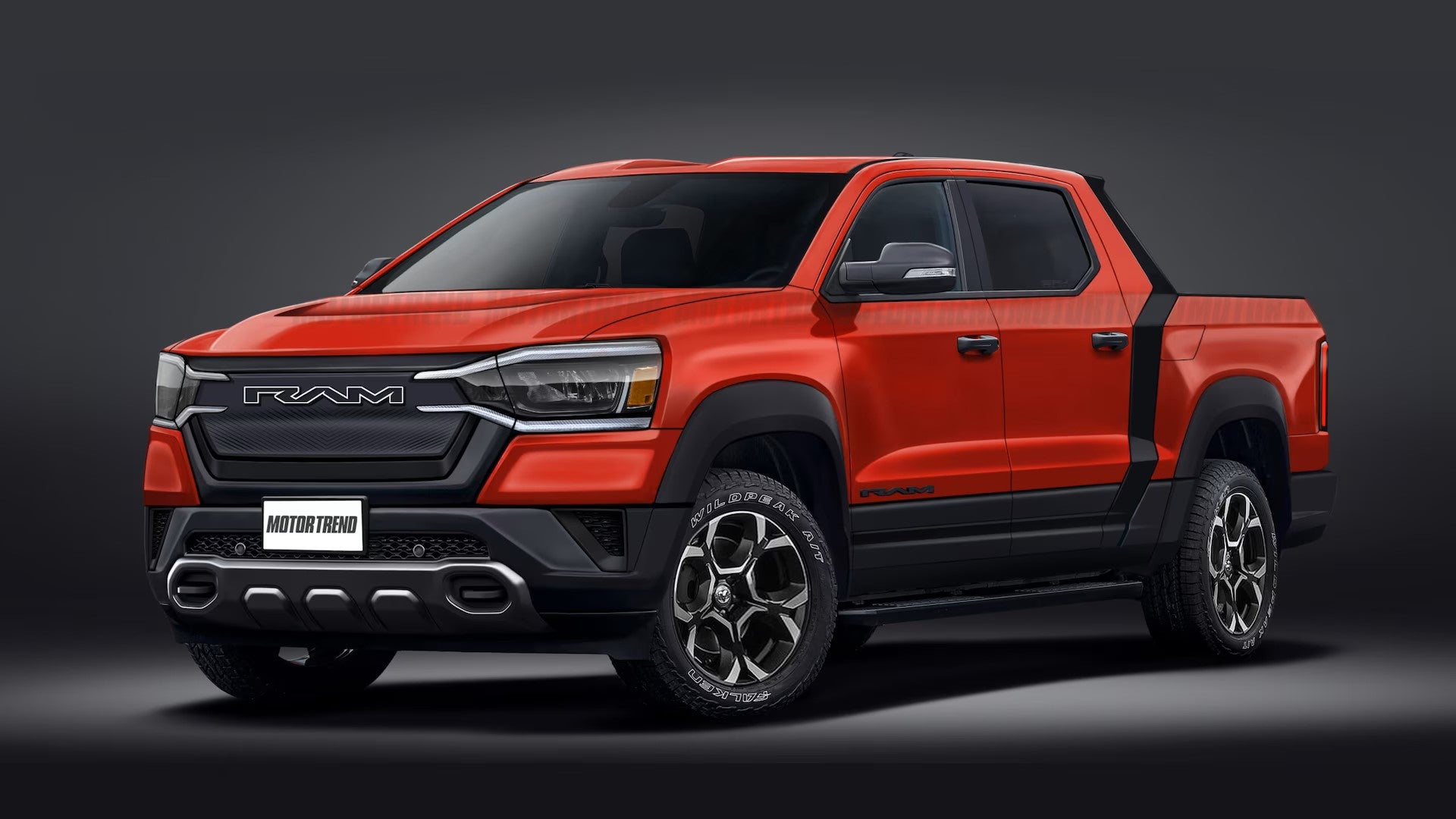
2024 RAM 1500 truck

Your truck's tires are its only point of contact with the road, so you need the proper tires on your vehicle to get top performance. Worn, misaligned, unbalanced, or improperly inflated tires will impact your handling, stopping distance, and fuel efficiency. Drivers need to know what to watch for to identify tire problems early and avoid getting stranded on the road or worse.
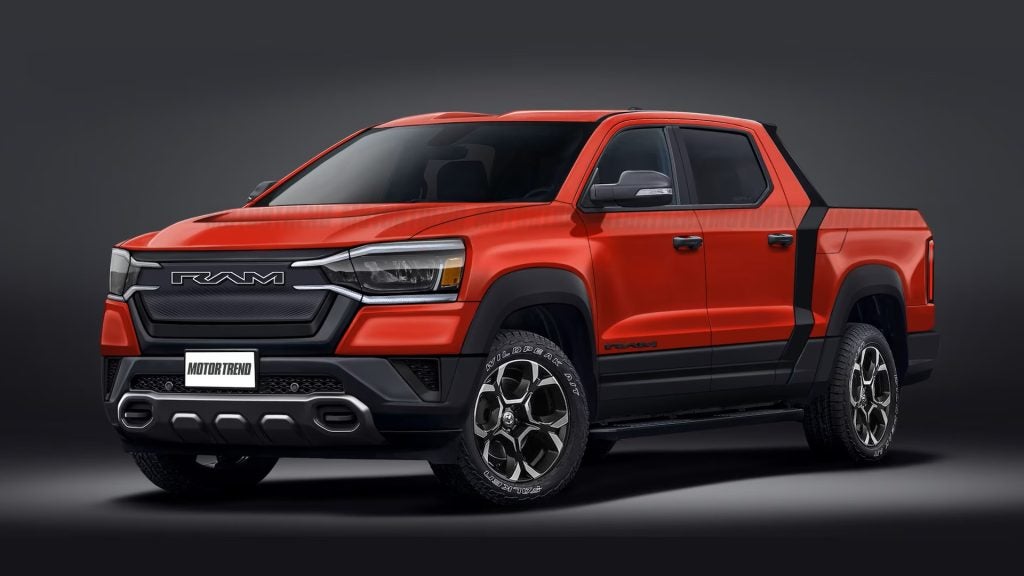
2024 RAM 1500 truck

Tread Wear Indicators

Tread wear indicators, also known as tire wear bars, are small bands of rubber that run horizontally across the tire, sitting perpendicular to its grooves. You won't easily see the tread wear indicators when the tire is new. The distinctive pattern formed by the tread wear indicators only appears when the rubber begins to wear down. 

The tread wear indicators sit at a depth of 2/32 of an inch. This depth is the minimum level required to continue driving your vehicle safely. However, it's important to remember that tires with this degree of wear will have significantly reduced traction, making them especially hazardous in wet or icy weather conditions.

Though the primary purpose of the tread wear indicators is to highlight the wear on your tires, this isn't the only perk you get from these little bars. The tread wear bars also add stability to the form of the tire. Since they sit between the tread elements, the tread wear bars will reduce the flex and movement of the tread as you're driving.

Insufficient Tread Depth

Tread depth is especially significant for road safety. In Oklahoma, the minimum legal tread depth is 2/32 of an inch, which is the point where your tread sits evenly with the tread wear indicators. Regardless of the law where you live, it's best to keep your tread from falling below 2/32 of an inch. Some car care experts recommend replacing your tires at 4/32 of an inch. By 2/32 of an inch, your stopping distance when you brake suddenly on wet roads is double what it would be with new tires.

If you don't see tire wear indicators on your tires, you can measure tread depth with a penny. Place a penny with Lincoln's head upside down between two ribs on your tire. If you can see all of Lincoln's head, you have 2/32 of an inch left in your tread and should replace your tires immediately. For a more detailed and accurate reading, you can also use a specialized tread depth gauge available at most automotive stores.

Irregular Wear Patterns

As your tire wears down, you'll notice that some areas are smoother than others. The wear pattern provides valuable information and may inform you that you've missed some critical vehicle maintenance.

  • Edge wear: When you see two sections of tire wear on either side of the tire, this indicates that it's underinflated. The edges are touching the ground, but the center isn't.
  • Center wear: If the tire only shows wear in the middle, your tires are overinflated.
  • Toe wear: If the tire has a feathered pattern with more wear on the inner or outer edge, your wheels are probably out of alignment. This pattern is most noticeable on the front tires.
  • Camber wear: Tire wear in a small section along one side of the tire indicates that the camber is likely misaligned.
  • Cupping: Cupping creates a pattern of horizontal stripes running at a slight diagonal angle. A problem with the suspension or tire balance causes this.

You should address the underlying problem before replacing your tires to make sure your next set of tires doesn't suffer the same fate.

Cracks, Bulges, and Damage

If your tires are cracked, bulging, blistered, or otherwise damaged, you should replace them immediately. If your tires are bulging anywhere, this is a sign of weak rubber that's likely to blow out, which can be extremely dangerous if you're on a busy road. Cracks often indicate a low air leak, which will eventually leave you with a flat. A deep crack may lead to a blowout as well.

Age of Tires

Over time, the integrity of your tires will become compromised even if you don't drive enough to wear down the tread. Heat, light, and oxygen exposure slowly damages the tire rubber, causing tiny cracks to form. This can make the rubber brittle and vulnerable to leaks and blowouts. As a rule of thumb, you should replace your tires at least every six to 10 years, regardless of wear.

Reduced Handling and Performance

When you drive on worn tires, you'll notice they don't perform as well as they should. A light truck with worn tires at 4/32 of an inch of tread may take as much as 86 feet to stop when you hit the brakes. This level of wear will also reduce the truck's handling ability by up to 28%. Proper tire care is essential for protecting yourself, your passengers, and your vehicle when you're on the road.

If your truck isn't performing as it should, check the tires. You may find that compromised rubber is at the root of the problem.

Change in Fuel Efficiency

Properly inflated tires are crucial for your vehicle to operate at peak efficiency. Over- or under-inflated tires can cost you up to 11 cents per gallon, which can add up to a significant amount. Maintaining your tires properly by investing in regular tire rotations, alignment, and balancing can extend the life of your tires by as much as 4,700 miles. This will help you stretch the cost of your tires out much farther. If you notice a decline in fuel efficiency, check to see if your tires are the cause.

Get an Expert Tire Evaluation At Chris Nikel In Broken Arrow, OK

Regular tire maintenance will help you extend your tires' life and ensure your truck is always as safe as possible on the road. If you need tire service, replacement tires, or a tire inspection, we can help. Schedule an appointment at our Chris Nikel Chrysler Jeep Dodge Ram Fiat dealership, where our highly trained, certified technicians are at your service.

Posted in:

Related Posts

14261734261_0b9dbbfcc8_b.jpg

Maximize Your Vehicle's Performance with Quality Oil Filters at Chirs Nikel CJDRF

At Chris Nikel Chrysler Jeep Dodge Ram Fiat (CJDRF), we understand that routine maintenance is the key to keeping your vehicle running efficiently and reliably. One crucial aspect of this maintenance is the oil filter, a small part that significantly protects your engine. Learn more about the importance of oil filters, how they work, and why choosing the right one matters for your vehicle. Schedule Service Today! What Is an Oil Filter? Function and Importance Mecha by Lanà is licensed with CC BY 2.0 DEED An oil filter is a vital component of your vehicle's engine. It's designed to trap contaminants in the oil, such as dirt, metal particles, and other debris. If not filtered out, these contaminants can cause significant wear and tear on engine components. The primary function of an oil filter is to clean the engine oil, ensuring that only clean oil circulates through the engine. This process helps to prevent abrasive particles from causing damage, which enhances the engine's performance and extends its lifespan. Without a properly functioning oil filter, these contaminants continuously circulate through your engine, increasing friction and wear. Over time, this can result in severe engine damage, decreased performance, and even engine failure. The oil filter is critical in maintaining your vehicle's health and performance. Types of Oil Filters Choosing the correct type of oil filter is essential for optimal engine performance. Here are the different types of oil filters available and their respective benefits: Standard Oil Filters Standard oil filters are typically made of paper and are designed to meet basic filtration needs. They suit conventional oil changes and protect most vehicles in normal driving conditions. These filters are generally more affordable but may require more frequent changes than higher-quality options. Synthetic Oil Filters Synthetic oil filters are made from synthetic materials and offer superior filtration capabilities compared to standard filters. They're ideal for vehicles that use synthetic oil, providing enhanced protection and longer service intervals. Synthetic oil filters are designed to withstand higher temperatures and pressures, making them perfect for high-performance engines. High-Efficiency Oil Filters High-efficiency oil filters are designed to capture smaller particles and provide better filtration than standard filters. They're perfect for high-performance vehicles operating in harsh conditions, ensuring maximum engine protection and longevity. These filters often use advanced materials and technology to deliver superior filtration performance. Signs You Need a New Oil Filter Recognizing the signs that you need a new oil filter can prevent potential engine problems. Here are some indicators: Decreased Performance A clogged oil filter can restrict oil flow to the engine, reducing its performance. If your engine runs less efficiently, it may be time to replace the oil filter. Symptoms of decreased performance may include sluggish acceleration, reduced power, and a rough idle. Dirty Exhaust Excess vehicle exhaust or smoke can indicate that the oil filter fails to remove contaminants effectively. This can lead to dirty exhaust, which harms your engine and the environment. If you observe an unusual amount of smoke or a change in the color of your exhaust, it may indicate that your oil filter needs replacing. Oil Change Interval As per manufacturer recommendations, it's essential to replace your oil filter with every oil change to ensure optimal engine health. Skipping this step can lead to contaminant accumulation, reducing your engine oil's efficacy. Regular oil and filter changes help to properly lubricate and cool your car's engine components, extending its life span. Choosing the Right Oil Filter The right oil filter is crucial for maintaining your vehicle's performance and longevity. Here are some key considerations: Vehicle Specifications Always choose an oil filter that matches the manufacturer's specifications. Using the correct filter ensures that it fits properly and functions as intended, providing the best performance and protection for your engine. Consult your vehicle's owner's manual or speak with a certified technician to determine the appropriate filter for your car. Quality Brands At Chris Nikel CJDRF, we offer a range of high-quality oil filters from trusted brands, which are designed to work optimally with the vehicles we sell and service. Our selection includes filters specifically designed for Chrysler, Dodge, Jeep, Ram, and Fiat vehicles, ensuring optimal performance and reliability. Some of the top brands we recommend include Mopar, K&N, and FRAM. Professional Oil Filter Services at Chris Nikel CJDRF Our certified technicians at Chris Nikel CJDRF are experts in oil changes and filter replacement, ensuring that each vehicle is handled with care and competence. We use only high-quality filters that meet or exceed original equipment manufacturer standards, providing you with peace of mind. Our team is trained to identify and address potential issues during the oil change process, ensuring your vehicle remains in top condition. Service Packages We offer comprehensive oil change and filter replacement packages, including a complete vehicle inspection. This helps to identify potential issues early, saving you time and money in the long run. Our service packages are designed to provide complete care for your vehicle and include checking fluid levels, inspecting belts and hoses, and ensuring your tires are properly inflated. Benefits of Regular Oil Filter Replacement Regular oil filter replacement increases your engine efficiency and extends your vehicle's life span. Engine Efficiency Regular oil filter changes are crucial for maintaining engine efficiency. A clean oil filter ensures that your engine receives a steady flow of clean oil, reducing wear and tear and preventing costly repairs. Proper filtration helps maintain optimal engine temperature and performance, contributing to a smoother and more efficient driving experience. Extended Vehicle Life A well-maintained oil filter supports a longer engine and vehicle life. Regular oil filter replacements contribute to your vehicle's overall health and longevity by preventing contaminants from circulating through the engine. Keeping your engine clean and well-lubricated reduces the risk of significant repairs and prolongs the life of critical engine components. Schedule Your Oil Filter Service at Chris Nikel CJDRF Today At Chris Nikel CJDRF, we provide quality maintenance services to keep your vehicle running smoothly. Our expert technicians are here to help you with all your oil filter needs, ensuring that your vehicle performs at its best. Schedule your oil filter service with us today and experience the difference that quality maintenance can make. For more information, visit or contact us at Chris Nikel CJDRF in Broken Arrow, Oklahoma, and let our team assist you with all your automotive needs. Our dedicated staff is ready to answer any questions and provide the exceptional service you deserve.

31360080195_1095103df2_b.jpg

Dodge Durango Vs. Ford Explorer

The love affair with SUVs is as strong as ever. With so many entrants into the crossover category, it's sometimes easy to overlook those built for more rugged use. Are you frequently in the mountains or heading out to go kayaking? Or are you a soccer family that needs room for teammates and gear? One of the best-selling SUVs in the Dodge line is the Dodge Durango. You might be wondering how this beast of a vehicle compares to a top competitor, such as the Ford Explorer. Read this brief overview as the team at Chris Nikel Chrysler Jeep Dodge Ram FIAT in Broken Arrow, Oklahoma, compares the two vehicles. Exterior Features Dodge Durango by Jason Lawrence is licensed with CC By 2.0 It's the stripes that'll get you first. The Dodge Durango lets you add a sleek and stylish look with Mopar stripes over its topcoat, stretching from bumper to bumper over the roof. You can also choose distinctive colors, such as Sterling Silver, Bright Blue, Gunmetal Low Gloss, and Flame Red. For family adventures, the Dodge Durango lets you install an available roof rack, which will support 150 pounds, so you can easily haul your bicycles, tents, and other cargo to one of the great camping spots near Broken Arrow. The Durango also comes with a package of trailer technologies that'll let you tow along the items you need on your journey. The Ford Explorer is ready for offroad adventure, offering a twin-panel moon roof and features such as a rear liftgate, cargo basket, and rooftop cargo box. You'll appreciate the front struts and rear shocks for uneven terrain and the 18-inch all-terrain tires. Explorer hybrid or limited hybrid models can tow up to 5,000 pounds. Performance and Powertrain Dodge refers to the engines in the Durango trim as "the belly of the beast." Depending on which trim is suitable for you and your family, you can choose from a 5.7-liter, a supercharged 6.2-liter, or a 6.4-liter HEMI V-8 engine. A 3.6-liter Pentastar V-6 engine is also available. The top-of-the-line supercharged engine delivers 710 horsepower, 645 lb-ft of torque, and a towing capacity of up to 8,700 pounds. At the lower end, the Pentastar V-6 drives 295 horsepower with 260 lb-ft of torque and has towing capabilities of up to 6,200 pounds. So you can pull anything from a watercraft to a speedboat. In general, the Durango won't be a cost-saver at the pump. According to EPA estimates, it gets 19 mpg in city driving and 26 mpg on the highway, for a combined rating of 22 mpg. The Ford Explorer, described by Car and Driver as a "perfectly adequate vehicle," comes to the table with a 300-hp turbocharged 2.3-liter four-cylinder engine. You can also opt for a 400-hp twin-turbocharged 3.0-liter V-6 engine. You may lean toward the hybrid version if you're an ecologically sensitive buyer. Given the different engine and powertrain configurations, the Explorer has a few different fuel-economy ratings. Its rear-drive hybrid provides up to 27 mpg in city driving and 28 mpg on the highway, while the Platinum hybrid models register in the EPA estimates at 25 mpg in the city and 26 mpg on the highway. Interior Comfort and Features Drivers are at the center of the interior design of the 2023 Dodge Durango. The car offers a driver-centric cockpit with all the technological features you need to focus on driving. The brand has also kept passengers in mind in its design, building enough flexibility to allow for up to 50 different seating configurations. With three rows of seating, the Durango has room for up to seven. In the third row, you can put the seats down for extra cargo room, keep them both up in a 60/40 split, or have one up and one down based on the needs of your journey. The entertainment/information center leverages the UConnect 5 system featuring a high-definition 10.1-inch diagonal touch screen. Connect your cell phone through Apple CarPlay or Android Auto to access your most important apps for your journey. In the Explorer, the standard display is an 8.0-inch touch screen. You can also link to your cellphone through Apple CarPlay or Android Auto. The Explorer can also serve as a Wi-Fi hotspot. If you want to go bigger on the screen, consider the optional 10.1-inch vertically oriented screen. Each model offers voice-activated navigation and a rear-seat entertainment system. The Explorer's interior offers a standard third row, which allows easy access by moving the second-row seat out of the way. Car and Driver found the rear of the Explorer to be very spacious in tests of how many bags can fit in the vehicle. Safety and Technology The Durango matches its high horsepower with plenty of cutting-edge safety technology, including embedded sensors, software, and cameras. For example, you can "cruise with confidence" with adaptive cruise control. The feature lets you select a minimum separation distance between you and the car adjacent to you, slowing when needed to maintain that space. One of the biggest causes of accidents today is cars that linger in your blind spot. The Durango has you covered with blind-spot monitoring, including rear cross-path detection. Both features have the same purpose: to see areas you can't see. Blind-spot monitoring and cross-path detection are part of the Dodge Citadel family of security technologies. The Ford Explorer also offers technology suites to keep you, your passengers, and fellow drivers safe. Standard features include forward collision warning, automatic emergency braking, blind-spot monitoring, rear cross-traffic alerts, lane departure warning, and lane-keeping assistance. Test the Midsize SUV Market The Dodge Durango and Ford Explorer offer a mix of comfort, style, and technology for consumers needing more space than a crossover can offer. Let the sales team at Chris Nikel Chrysler Jeep Dodge Ram FIAT help you decide. Our dealership serves Broken Arrow, Oklahoma, and the surrounding areas with a comprehensive selection of new vehicles from our various brands and an always-changing inventory of used cars. We also support you with financing alternatives and repair and maintenance. Call us or contact us online to learn more.

2023 RAM 1500 truck in the drive way of a modern house

How To Change Your Own Oil In Your Ram 1500

Looking after your Ram 1500 enables you to get the most out of it. This can involve the simplest tasks, such as keeping the windscreen clean and checking the tread on your tires, or more complicated tasks, such as taking it for a service. View our inventory of New Vehicles, or if you have any questions, give us a call at (539)-766-8990 today! Contact Us Today! Call Us Today! Guide On How To Change Your Own Oil In Your RAM 1500 Changing the oil is one of those tasks that are in between, as it can be a little complicated if you're not sure what you're doing. However, it becomes relatively straightforward once you've done it a couple of times. This article will take you through some hints and tips on what to look for and how to tackle oil changes with your Ram 1500. 2023 RAM 1500 Truck Image By RAM Preparation Preparation is key when you're changing oil. You don't want to get halfway through and realize you've missed something. So, a good place to begin is getting together the following: New oil: Consider using synthetic oil, which has been manufactured to produce a specific performance in modern engines and has a greater propensity for withstanding higher temperatures and pressure. Make sure that the oil you use is recommended for your Ram truck and that it fits the FCA Material Standard MS-6395 for gasoline or MS-12991 for diesel engines. A funnel: This means you can pour the oil into the engine without making a mess. A new oil filter: Gunk in the oil can block up the oil filter and undermine the flow of oil through the engine, so it's a good idea to make sure you replace this when you change the oil. A 13mm socket and ratchet: These tools make it easier for you to change the oil. An oil catch basin: This is to catch the old oil on the other side of the engine when you change the oil. Flashlight: This makes it easier to see when you look under the vehicle. Rags: This means you can clean the different parts of any oil. Gloves: These keep the oil off your hands. Once you have lined all this up, you can move on to the next stage. Drain the Old Oil The first thing you should do here is make sure you're parked on a flat surface and make doubly sure you've got the parking brake on because you don't want it to move when you're underneath the vehicle. Then, with the wrench, you need to find the drain plug under the engine. You'll find the flashlight useful when you're looking for it. Usually, the ground clearance of the Ram 1500 is large enough that you can do this without needing to use a lift or a jack. Once you've found the drain plug, place the basin underneath and use the wrench to unscrew the cap. It should be 13 mm, but you may need to try different sizes in case the cap has been replaced in a previous oil change, so don't try and force it. Once you've unscrewed it, let the old oil drain out. Once the flow has stopped, you can wipe off the drain plug with a rag and then replace the cap. Make sure you put the cap back on firmly but don't tighten it too much and break the thread. Changing the Oil Filter The next stage is to change the oil filter. The position of the oil filter may vary depending on which engine you're using, so there's no hard and fast rule about how to do this part; it's a case of checking the manufacturer's handbook. For example, in the 3.6-liter Ecodiesel, the oil filter is on the upper part of the engine, but in the 5.7-liter HEMI, you'll find it in the lower part. To access the oil filter, you'll ideally need a strap wrench. Sometimes, it can be a little awkward to loosen the filter, particularly if it's the first time and it's tight. When you draw it out, there may be excess oil that will spill, so be prepared for that with some rags. Then, replace it with the new filter, which is pretty much following the reverse of what you just did. Filling Up With New Oil That was the hard part done. The next part is just to fill it up with new oil. To make sure you've got the right type, make sure that it's covered on the cap of the engine oil. Use the funnel, and then replace the cap tightly when you're done. You're pretty much done at this stage, but there are a couple of things worth doing to make sure that your truck runs beautifully. The first thing is to start the engine and run it for 30 seconds or so. This warms up the new oil and makes sure it starts moving through the engine. Then, turn off the engine and check the oil level using the dipstick. Because some of the new oil should have moved through the engine, the level should have dropped a little, so you can keep topping it up to make sure you've got enough oil in the system. You can do this a few times to make sure that the engine is topped up and leveled out. The final task is to reset the Ram truck's Oil Life system.  This is a system that tracks when you need to change the oil, so resetting it means that it starts counting the miles from the new oil change. Press the start button, go to “vehicle info” on the steering info, and scroll to the “Oil Life” screen. If you press OK at this point, it'll reset back to zero. Then, you can press the “up” arrow and return to the driver display screen. That's It, You're Done Before you head off into the great wide yonder, make sure you haven't left anything underneath the vehicle before you move it and that you've tightened and tidied everything up. Remember that the first time you do this, it might be a little tricky to find the various oil plugs, but after the first time, it gets easier and becomes routine.  This is one of those jobs that you can manage yourself, but for any advice or nudges in the right direction, just drop us a line at Chris Nikel, and we'll be delighted to lend a hand.